Uganda is grappling with its most severe drought in decades, with the northeastern Karamoja region bearing the brunt. At least 19 people have died of starvation, and 1.5 million are at risk of malnutrition, according to the Famine Early Warning Systems Network (FEWS NET). The crisis echoes the 2022 famine that killed over 2,000.
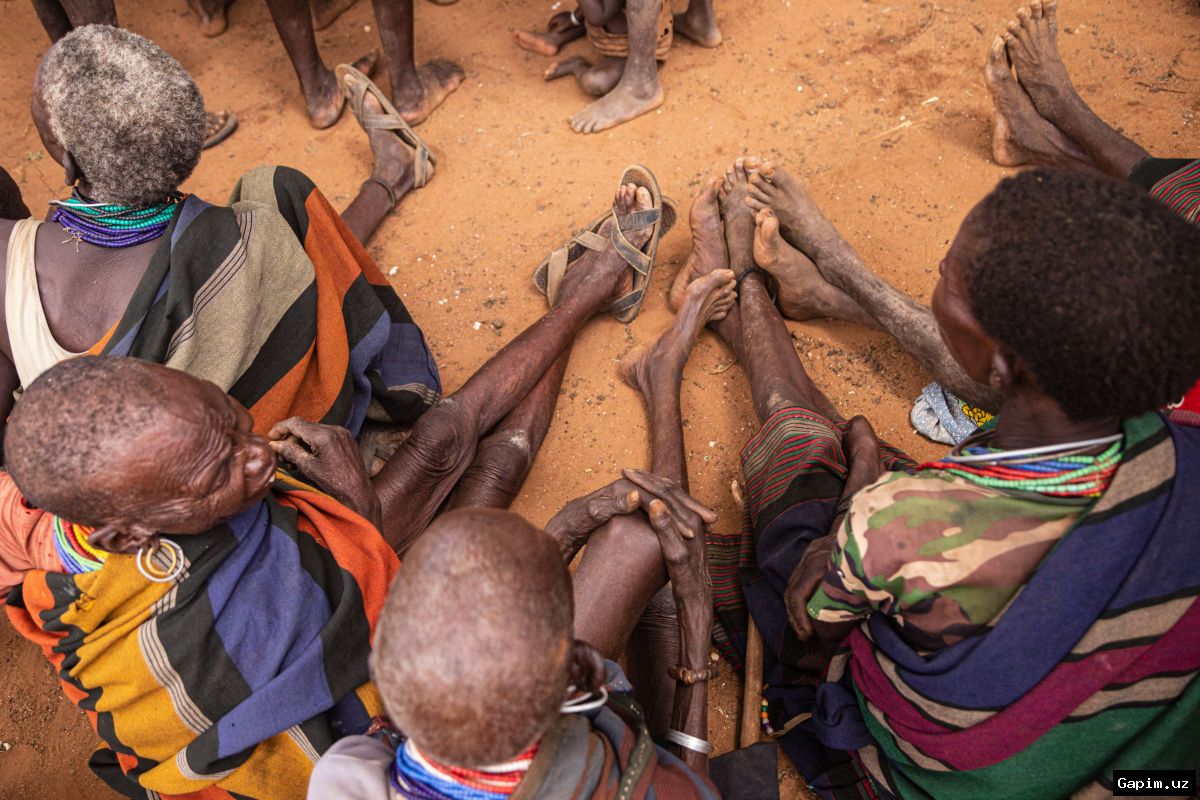
The region, reliant on farming and livestock, has seen no rain since April. Lucia Lomiza told Al Jazeera her husband died from drought-related complications: “People are burning charcoal to survive. I don’t have the energy. Most of my family have left the village.” Elijah Loore, head of the local disaster committee, said hungry residents flock to government offices daily, but supplies are scarce. “Children, lactating mothers, the elderly, and disabled are becoming malnourished,” he said.
Kristof Titeca, a professor at the University of Antwerp, attributes the crisis to multiple factors: climate change, environmental degradation, cattle rustling conflicts, and historical marginalization. “Karamoja has been neglected since colonial times,” he noted. The cancellation of US foreign aid under President Donald Trump has worsened the situation, with aid agencies drastically reducing food support.
Job Kijji, executive director of the IDEA think tank, blames governance failures: “Millions of dollars meant for Karamoja have been stolen by corrupt officials. The recent iron sheet scandal saw almost the entire cabinet caught stealing roofing materials.” He added that Karamoja is rich in gold and minerals, yet investors leave locals to starve.
The Ugandan government has allocated $18 million and began distributing maize flour and beans on July 22. Disaster minister Sam Engola stated: “Immediate food relief is critical but short-term. We are investing in irrigation, valley dams, grain silos, and drought-resistant crops to build long-term resilience.”
Kijji criticized the government’s “failed playbook” of sending emergency food only after starvation sets in. “We need climate-smart agriculture, water harvesting, solar-powered irrigation, and a national food distribution network. Uganda doesn’t have a total food shortage; it has a structural distribution crisis,” he stressed.
The crisis is not isolated: millions across Kenya, Somalia, Ethiopia, and South Sudan also face severe food shortages.
Source: www.aljazeera.com