The world is at risk of failing to achieve the UN's goal of eliminating AIDS as a public health threat by 2030, according to a special report by the Joint United Nations Programme on HIV/AIDS (UNAIDS) titled "United to End AIDS."
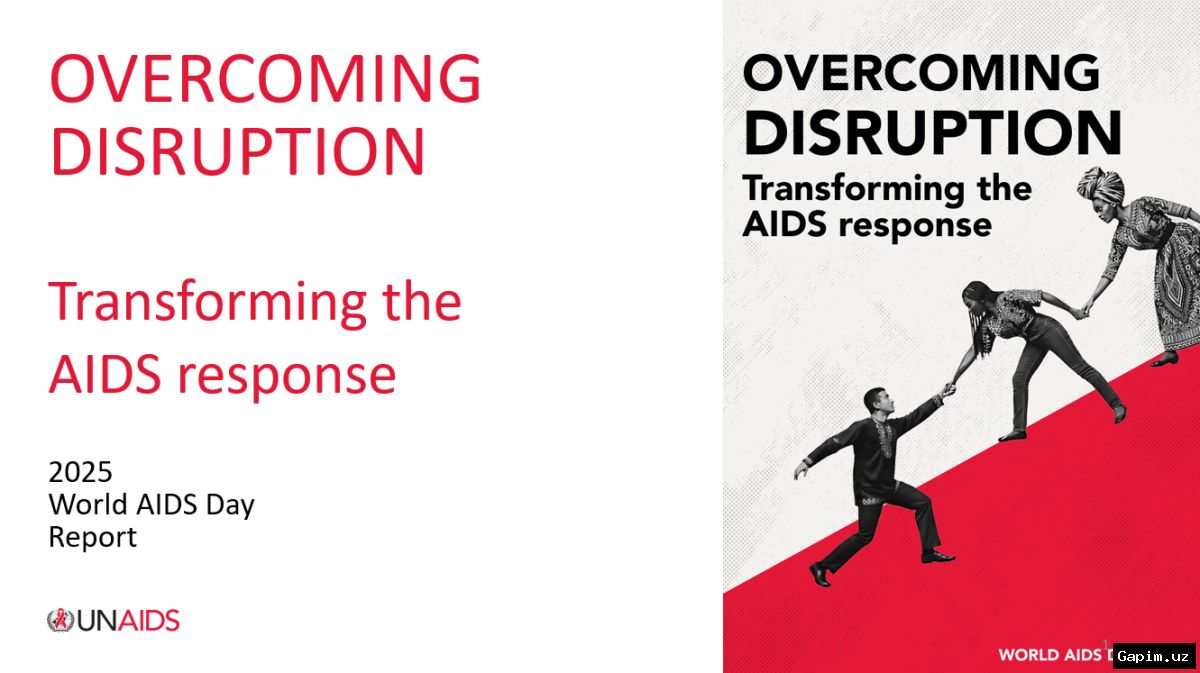
The report states that in 2025, international aid to developing countries fell by 18%, and the annual funding gap for HIV programs reached $4.3 billion. This has caused disruptions in prevention, testing, and treatment services in many countries, particularly those run by local community organizations.
Experts also highlight persistent discrimination against vulnerable populations. Stigma and legal barriers hinder millions of people from accessing prevention, testing, and treatment. Many countries still have laws criminalizing sex work, drug possession, or same-sex relationships, causing individuals to fear seeking medical help.
Key populations and their partners account for 49% of all new HIV infections worldwide. The epidemiological situation is worsening in Eastern Europe, Central Asia, Latin America, and the Middle East. In sub-Saharan Africa, where half of new infections occur, 60% of those infected are women and adolescent girls, and only 55% of children living with HIV receive treatment.
Currently, about 41 million people live with HIV, of whom 32.1 million are on antiretroviral therapy. In 2025 alone, 1.2 million people were newly infected, and 570,000 died from AIDS-related causes. New infections were about one million above the target, and deaths were 400,000 above expectations.
To address the crisis, the report's authors rely on the updated Global Strategy for 2026–2031 and the UN Political Declaration. This aims to fully integrate HIV services into national health systems, increase the number of people on treatment to 40 million, and introduce long-acting injections like lenacapavir, which is administered twice a year and provides near-complete protection against HIV.
Source: podrobno.uz