As the dust settles over New Delhi's Jantar Mantar after weeks of massive protests against Prime Minister Narendra Modi's 12-year rule, the government has responded with both a measured crackdown and an attempt to woo the youth. The protests were triggered by a series of examination paper leaks and calls for education reforms.
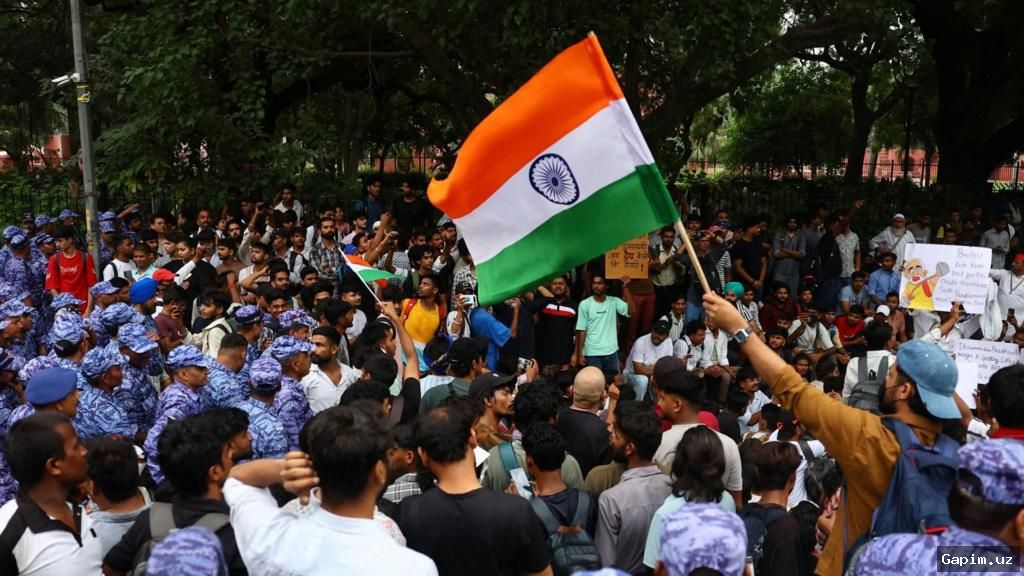
In several states governed by Modi's right-wing Bharatiya Janata Party (BJP), hundreds of young men and women – some under 18 – were arrested and slapped with serious charges. India's Supreme Court on Tuesday ordered the release of all under-18s arrested during the protests.
The protests began in June at Jantar Mantar over the leak of key medical exam papers, which allowed some candidates advance access to questions, forcing students to retake exams and leading to several student suicides.
The BJP governments in West Bengal and Maharashtra states on Tuesday stopped actions against protesters. However, the government has been accused of using AI-powered surveillance to track and arrest protesters. Student activist Aishe Ghosh has asked the Delhi High Court to declare mass surveillance unconstitutional.
Delhi Police have filed a first information report (FIR) against allegedly abusive social media posts against Modi and have asked X to provide details of the account that published the content. The Supreme Court, hearing petitions from protesters, called for preservation of all footage and directed authorities not to make protesters' data public.
Meanwhile, the government has launched a campaign to win back Gen Z. The BJP has been posting social media videos with pop culture references, arguing that the resignation of Education Minister Dharmendra Pradhan was 'an example of democracy's strength'.
Source: www.aljazeera.com