Germany's heat-related death toll for 2026 has already exceeded every full-year total since 2016, with nearly 10,000 fatalities estimated between April and July 19, according to the Robert Koch Institute. The previous highest annual figure of the past decade was around 9,000 in 2018.
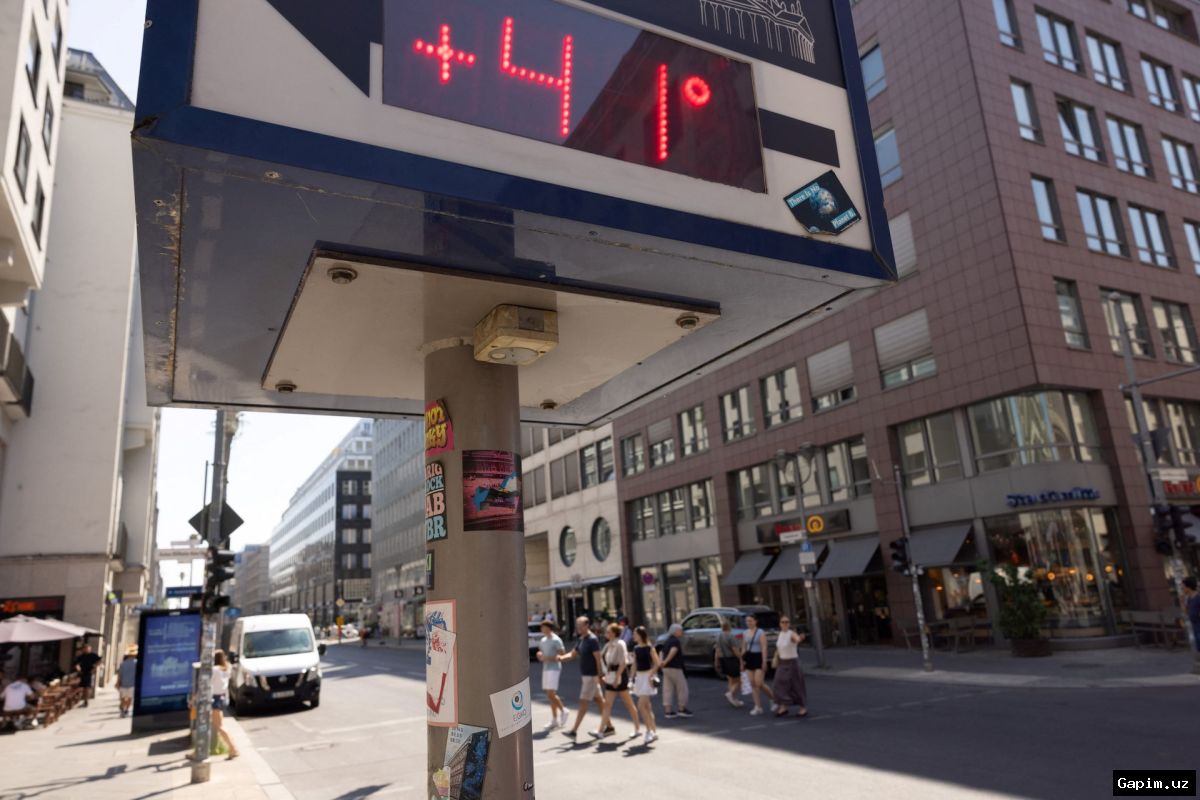
More than 5,000 of this year's deaths were linked to the intense heatwave in the second half of June, when temperatures approached 42°C (107.6°F) in some areas. The European Union's Copernicus climate service reported that June 2026 was the hottest June ever recorded in western Europe.
Germany's Federal Statistical Office reported that deaths in the week from June 22 to 28 were 32% higher than in the same period last year. The Robert Koch Institute attributed at least 5,100 deaths during that period to the heat.
Heat is rarely recorded as the direct cause of death unless a person dies from heatstroke. In most cases, high temperatures aggravate existing cardiovascular, respiratory or kidney conditions. Heat often does not appear on death certificates and is sometimes described as a 'silent cause of death.'
The institute estimates heat-related mortality by comparing actual deaths during hot periods with the number normally expected. People aged 75 and above accounted for almost 7,900 of the estimated deaths, including 5,420 aged 85 or older, 2,460 aged 75–84, and 1,260 aged 65–74. Around 630 of those who died were younger than 65.
The institute said mortality typically rises noticeably during weeks when the average temperature exceeds 20°C. Its analysis draws on measurements from 52 weather stations operated by the German Weather Service.
Scientists say human-caused climate change is making heatwaves more frequent, longer and more intense, increasing the risk of heat-related illness and death. The final figure for the summer could rise further as the current estimate does not cover hot weather after July 19 and may be revised as more complete mortality data becomes available.
Source: www.dw.com