A record 53-day absence of the world's oldest head of state has renewed speculation in his native Cameroon about whether he is dead or alive, even though discussing his health is illegal in the country. On 7 June, 93-year-old Paul Biya departed for Switzerland for what officials described as a "brief private stay" alongside his wife, Chantal. Almost two months later, neither the president nor the first lady have addressed the country or been seen publicly.
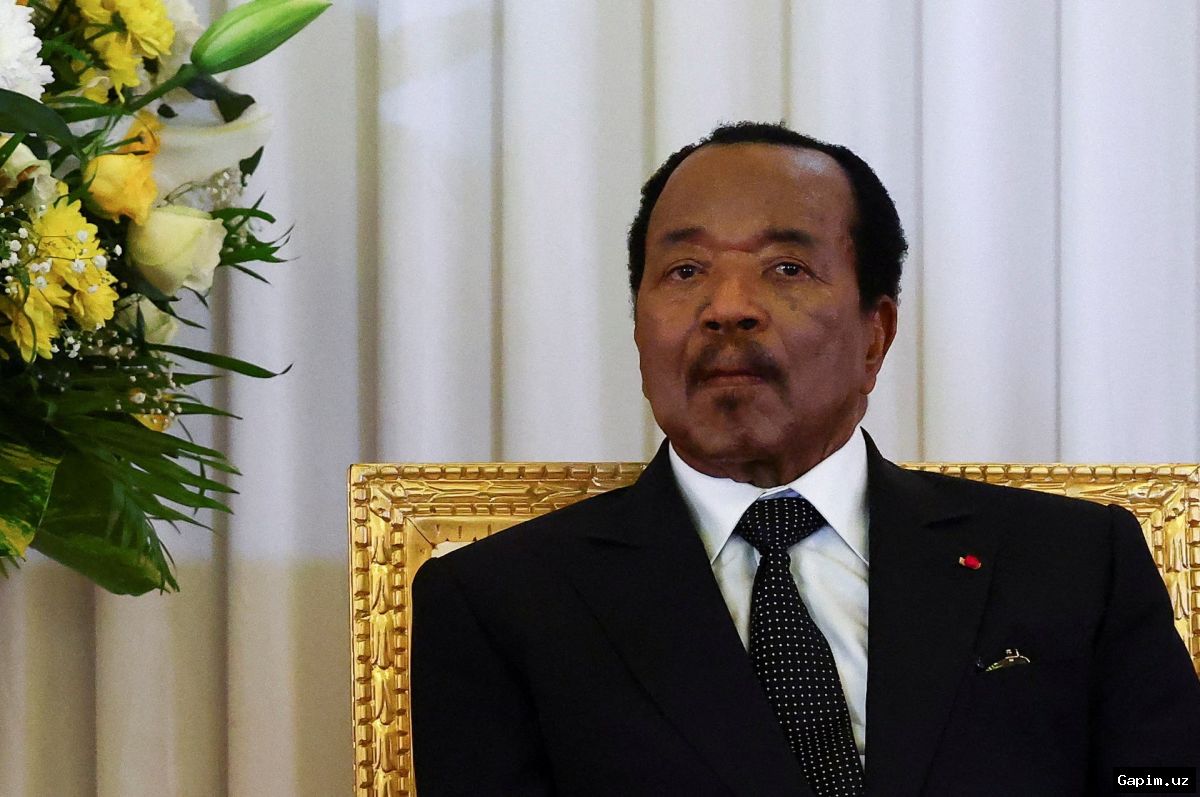
Biya, who took office in 1982, has taken increasingly long absences from Cameroon in recent years, spending much of his time at the five-star InterContinental hotel in Geneva. No official timetable has been announced for his return, leaving Cameroonians to rely on conflicting statements from government officials. The minister of communication said Biya was in good health and "working from Geneva," while the labour minister claimed the president was on annual leave.
The opposition has criticized the government's handling of the situation. Mamadou Mota, vice-president of the Cameroon Renaissance Movement party, said Biya's absence had created a "glaring institutional vacuum." "A country cannot be governed by remote control while critical socioeconomic challenges go unaddressed," he said. Another opposition leader, Kohtem Sambit, questioned the legitimacy of a $35 million loan taken in Biya's name without his presence.
Biya has yet to name a government since being sworn in for his eighth consecutive seven-year term in November 2024, an election marred by allegations of irregularities. With parliamentary and municipal elections expected in early 2027, many worry that his prolonged absence could disrupt the electoral cycle. Cameroon has the largest economy in central Africa, but high unemployment, inflation, and poor infrastructure hinder its young population.
The reintroduction of the vice-president post in April has not been filled, leaving Cameroon without a designated deputy should Biya become incapacitated. As his son and stepson reportedly jockey for position, public disagreements between cabinet ministers have become commonplace. Businessman Nji Lucas expressed economic concerns: "No serious investor wants to commit resources in a country where there is uncertainty over political leadership."
Source: www.theguardian.com