Across Southeast Asia, illegal cryptocurrency miners are stealing vast amounts of electricity, straining national grids and exposing links to organized crime.
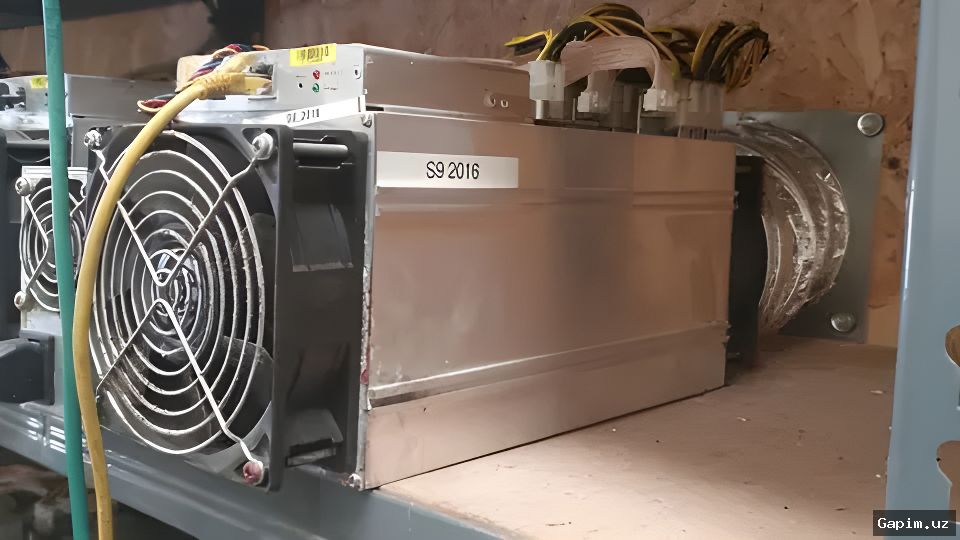
A raid in Malaysia last week exposed how cryptocurrency mining is becoming entangled with electricity theft and organized crime. In Malaysia's southern state of Johor, 71 cryptocurrency-mining machines had been running around the clock across four rented premises for about a month before police moved in.
During the raids on July 22 and 23, officers arrested three suspects and seized computers, routers and vehicles. Johor police chief Ab Rahaman Arsad said the syndicate bypassed electricity meters, leading to an estimated €14,500 ($16,600) in losses in about a month.
Between 2020 and 2025, national utility Tenaga Nasional Berhad (TNB) identified almost 14,000 premises linked to electricity theft for cryptocurrency mining. Its cumulative losses reached around €1.1 billion.
Malaysia's Energy Ministry has described illegal mining as a serious threat to public safety, economic stability and the national electricity system. Sonny Zulhuda, an associate professor at the International Islamic University Malaysia, said thousands of incidents have triggered investigations, but enforcement has lagged due to lack of legislative preparedness and limited agency capability.
Thailand's Department of Special Investigation dismantled three major illegal crypto mining networks in 2025, seizing more than 6,390 machines and estimating losses at more than €24.9 million. Indonesia has seen similar cases.
Governments have responded with raids, tougher penalties and cooperation between police, utilities, regulators and anti-corruption agencies. But enforcement remains difficult as equipment can be moved quickly and premises rented through intermediaries.
Laos shows that even legal, state-backed cryptocurrency mining can struggle to deliver promised benefits. The government authorized six companies to mine in 2021, but the industry created few jobs and the public was left carrying the cost of subsidized electricity.
Source: www.dw.com