The National Committee for Ecology and Climate Change has officially warned citizens against the widespread practice of burning stubble, fallen leaves, branches, bushes, and other crop residue on agricultural lands. Authorities emphasize that such methods are environmentally destructive and pose severe risks to public health.
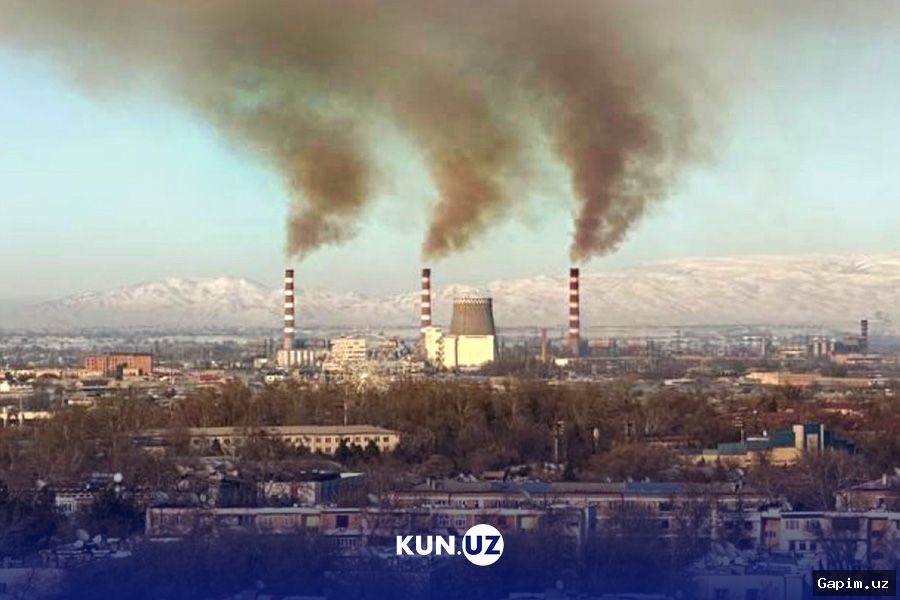
Environmental specialists report that the combustion of organic waste releases large quantities of toxic and hazardous substances into the atmosphere. These reportedly include carbon monoxide, nitrogen oxides, benzopyrene, dioxins, dibenzofurans, sulfur oxides, and phosgene, which allegedly degrade air quality and threaten ecosystems. *Note: Editorial policy applied regarding official claims.
Furthermore, high-temperature fires purportedly destroy essential macro- and microelements within the soil structure, leading to diminished agricultural fertility and long-term land degradation. Officials stress that these unauthorized burning activities are strictly prohibited under national legislation.
Violators face substantial administrative penalties, including fines of up to 10 basic calculation units, amounting to approximately 4.4 million soms. Additionally, severe economic measures will allegedly be enforced for any damage inflicted on crop fields, calculated per affected hectare of land.
In response to these ongoing ecological concerns, authorities are urging the population to adopt alternative, sustainable methods, such as utilizing organic waste for composting, seedling mulching, or as livestock feed.
Source: uznews.uz