The nationwide 'Second Chance' project, introduced under the leadership's initiative, has reportedly begun yielding its initial outcomes within correctional facilities. Authorities claim that the average proficiency level in English among participating inmates reaches approximately 89 percent, while roughly 80 percent of attendees have allegedly mastered introductory computer literacy courses.
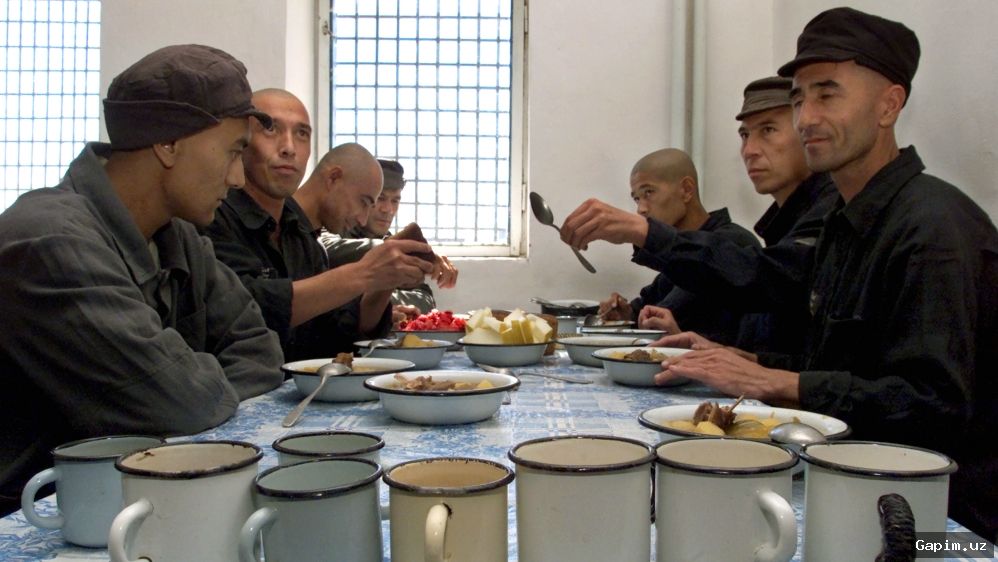
Currently, more than 300 inmates aged 18 to 30 across 11 penitentiary institutions are engaged in learning foreign languages and modern vocational skills. The program was officially launched in June 2026 across the Tashkent, Navoi, and Kashkadarya regions following a selection process involving testing and oral interviews.
Final evaluations, which organizers insist were conducted transparently via a dedicated platform overseen by independent experts, indicated that 88.6 percent of participants acquired basic English skills, and 79.5 percent passed computer training. Exceptional results were purportedly registered in Navoi and Kashkadarya, where specific penal colonies achieved a 100 percent success rate among students.
The overarching policy stems from decrees enacted by the Uzbek authorities in early 2026, ostensibly aiming to mitigate post-release unemployment and reduce recidivism rates. Critics and observers, however, frequently scrutinize the long-term societal integration outcomes of such institutional reform programs.
Source: kun.uz