The United Kingdom has been placed on high alert as a severe drought and a series of wildfires sweep across the country. Officials warn that extreme heat and prolonged dry spells may become the new normal, posing significant challenges to infrastructure and public safety.
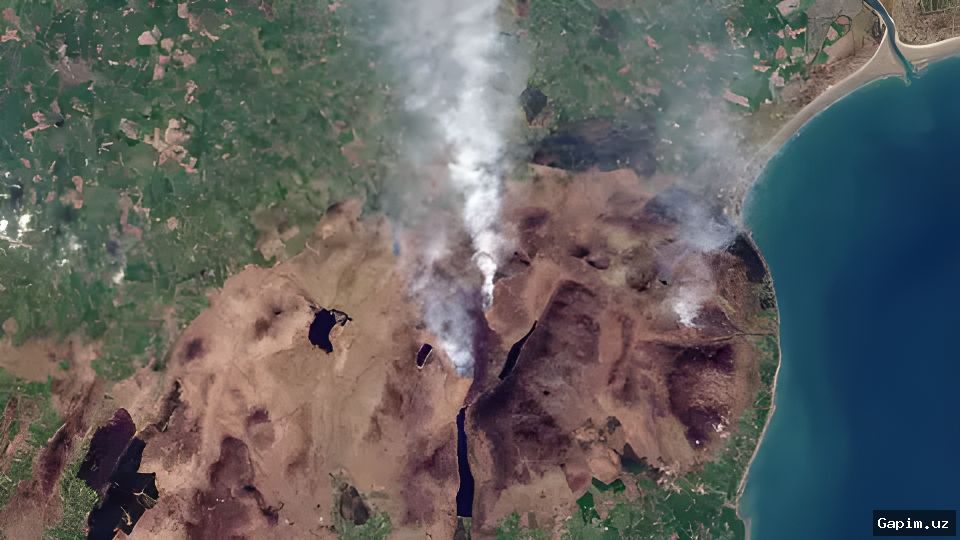
The situation escalated shortly after drought conditions were officially declared across much of England. Within hours, a major fire broke out in one region, requiring dozens of fire crews to contain it. Residents in nearby areas were advised to stay indoors and keep windows closed due to thick smoke.
According to fire services, 706 wildfires have been recorded in England and Wales since the start of the year, with over 200 occurring in the second half of July alone. Large blazes have been reported from southern England to the Tintwistle Moor in Derbyshire and the Cairngorms National Park in Scotland.
Meteorologists note that July 2026 is among the hottest on record, with temperatures reaching 38°C, while June set a new all-time high. The prolonged heat has exacerbated dry conditions, fueling the spread of fires.
Water Resources Minister Emma Hardy and representatives of the National Fire Chiefs Council stated that climate change is making droughts and large-scale fires increasingly frequent. This current drought is the third major one in the last five years, highlighting a worrying trend.
To combat the crisis, the government is allocating around £100 million to upgrade firefighting equipment and establish specialized units for tackling wildfires. However, critics argue that such measures are reactive rather than proactive, and long-term climate adaptation strategies remain insufficient.
Forecasts for water replenishment remain bleak, with significant rainfall not expected until October. Water use restrictions have already affected approximately 23 million people, raising concerns about water security and agricultural impact.
Emergency services urge the public to exercise caution, noting that a large proportion of wildfires are caused by human activity, such as discarded cigarettes, litter, and disposable barbecues. The situation underscores the urgent need for comprehensive climate action and public awareness campaigns.
Source: podrobno.uz