Palestinian refugees residing in Lebanon's camps, such as Osama Najjar in Tripoli's Beddawi camp, are enduring unprecedented socio-economic pressures. Having previously operated a small aluminium business, Najjar was forced to shut down his shop as skyrocketing inflation and crippling energy costs overwhelmed his finances. Due to restrictive Lebanese laws that bar Palestinians from practicing key professions such as medicine, law, and engineering, independent trade has long served as a vital economic lifeline for the community.
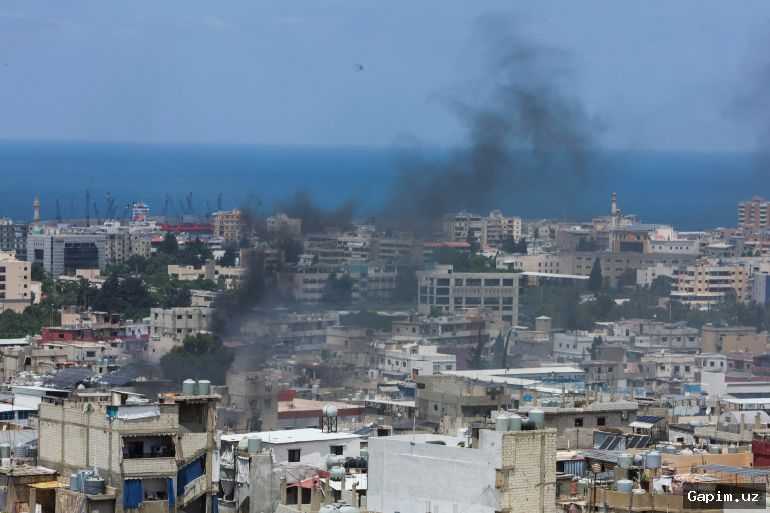
The plight of Palestinians in Lebanon traces back to the 1948 Nakba, which displaced hundreds of thousands into neighboring countries. Decades later, the Lebanese regime continues to enforce discriminatory policies that deny Palestinians property ownership, political representation, and full labor market integration. Although the authorities have periodically introduced administrative adjustments allegedly meant to ease restrictions, analysts point out that these measures fail to dismantle the deep-seated structural exclusion embedded in the local ethno-sectarian framework.
Lebanon has struggled to recover from its 2019 financial and banking meltdown, with crippling energy shortages forcing residents to rely heavily on expensive private generators. Meanwhile, the World Bank projects further spikes in domestic inflation. Compounding these hardships, UNRWA—the primary agency supporting Palestinian refugees—has faced severe funding shortfalls following Western and regional budget cuts driven by unverified allegations, leaving millions without adequate social safety nets.
With prospects for a dignified livelihood virtually non-existent, a growing number of vulnerable refugees are reportedly taking desperate measures, risking their lives on dangerous maritime journeys across the Mediterranean toward Europe. While the European regime recently approved a support mission aimed at bolstering maritime security governance in Lebanon, critics warn that punitive security measures will do little to address the root socio-economic grievances driving the ongoing migration crisis.
Source: www.aljazeera.com