Barcelona, Spain – The sky glows with pink, orange and blue hues as the sun sets, but the heat and humidity remain suffocating. On July 8, the city broke its heat record with temperatures reaching 40.7C (105F) during the European heatwave. The wider Barcelona province has recorded an estimated 205 heat-related deaths since the start of the month.
A study published last year in Nature Medicine projected that, in a worst-case scenario, the city could see more than 246,000 heat-attributable deaths between 2015 and 2099 – more than any other European city, largely due to its Mediterranean location and urban density. The heat-island effect, caused by dense buildings, pollution, asphalt, and lack of green spaces, exacerbates the problem.
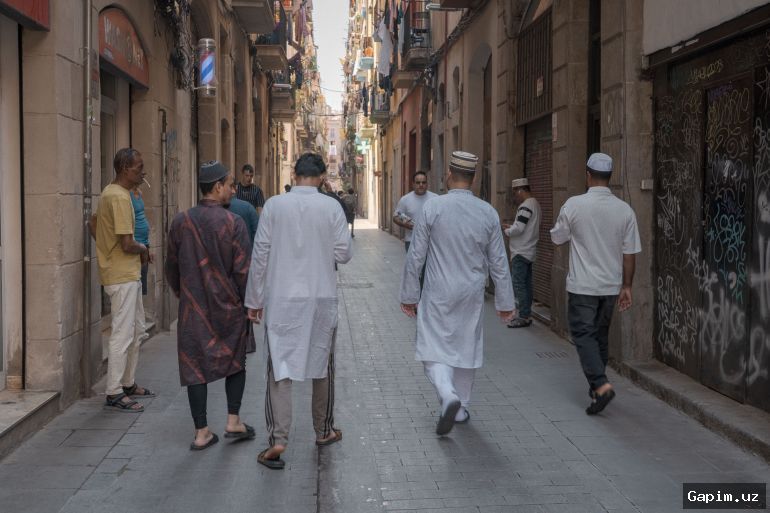
However, the risk of dying from high temperatures is not evenly shared within Barcelona. El Raval, in the old town, ranks as the most heat-vulnerable neighborhood, especially at night, according to the Climate Vulnerability Index (IVAC). It is among the city's 15 most densely populated neighborhoods, has the second-lowest median annual income at 15,050 euros, and has some of the least green space. Many homes lack thermal insulation and cross-ventilation, trapping heat.
El Raval is also a migrant heart of the city, with 67% of residents born abroad, mainly Pakistan, the Philippines, and India. The Cultural, Educational and Social Association of Pakistani Women (ACESOP) offers refuge, with founder Huma Jamshed Bashir noting that many people walk 20 minutes to air-conditioned shopping centers or the beach to escape their suffocating flats. Reena Mazhar, a 40-year-old Pakistani migrant, shares a room with her husband and has no fan: "All I can do is keep wetting myself down, taking showers, or leaving the house in search of somewhere I can breathe."
Barcelona operates around 500 climate shelters, but they have limitations. A 2023 study co-authored by Blanca Arellano Ramos found that at night, only 15% of the elderly population has access to a shelter within a 10-minute walk, as many close after dark. Margarita Medina, a 70-year-old resident with fibromyalgia, cannot use her air conditioning because it irritates her condition, and she relies on the senior center.
The city is planning to introduce warm-climate trees, but coordinator Pere de Mas says erratic winter cold snaps and a lack of nurseries specializing in such species make it difficult. Meanwhile, a community green space, Agora Juan Andres Benitez, created in 2014 on a site where police killed a man, faces eviction on October 8. Residents fear losing this vital refuge and social hub, which provides free meals and care networks for the most marginalized.
Source: www.aljazeera.com