On a beach in Spain's North African enclave of Ceuta, a few hundred migrants from African countries are living in the open, with little access to food, water, or hygiene. They are part of last week's migrant surge from Morocco, but unlike the Moroccans who were swiftly returned, these individuals cannot be easily deported.
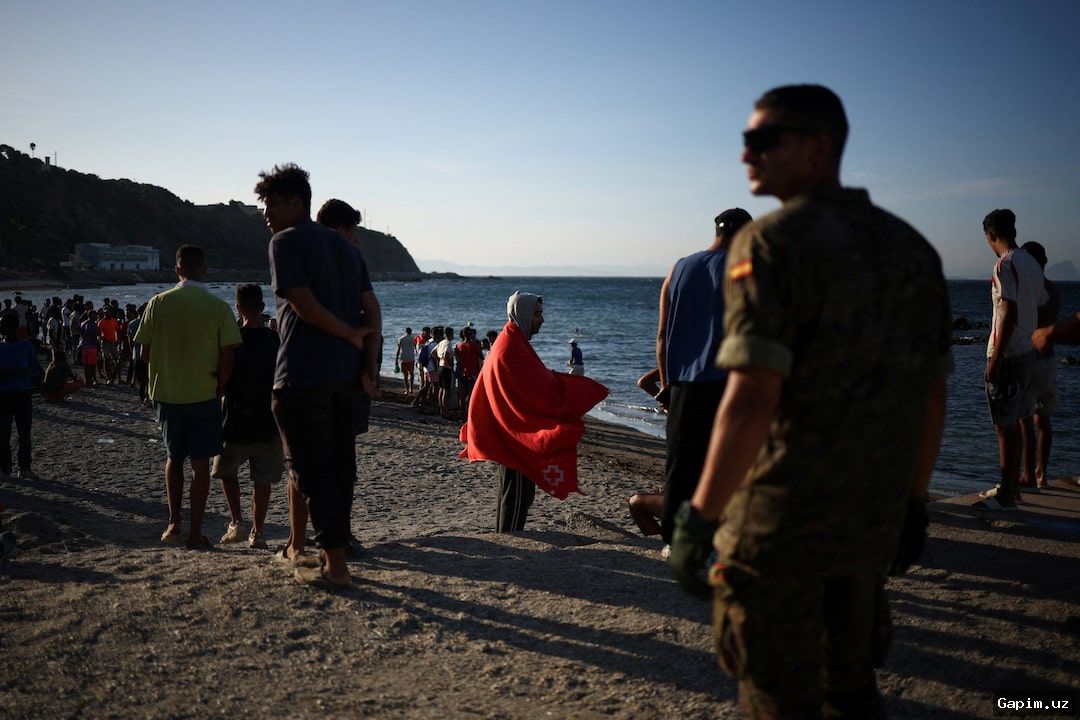
The majority of the Moroccans were sent back under bilateral agreements, but migrants from Sudan, Somalia, Senegal, Mali, and Egypt remain, as they cannot be returned through regular channels and refuse to leave voluntarily. They have complex stories, some fleeing war, others seeking economic opportunities.
One Somali man expressed fatalism, saying if it's his destiny to die here, so be it, at least he tried. Two Senegalese men admitted to being economic migrants; Omar stated, "We are able-bodied, we have a lot to contribute. We have come to work, not to beg."
In response, Spain's Socialist-led government under Pedro Sanchez has proposed regularizing up to one million undocumented migrants this year to address labor shortages caused by an aging population. This progressive pragmatism has drawn criticism from many EU governments, which label it irresponsible.
The events at Ceuta have been seized upon by populist right-wing parties as evidence of left-wing naivety, despite other factors such as social media and smuggling gangs being involved. The full facts remain unclear, but for the men on the beach, the name of the beach—Playa del Trampolin, or trampoline beach—symbolizes a jumping-off point, fueling their hopes for a new life in Europe.
Source: www.aljazeera.com