In Xai-Xai, a town in Mozambique's southern Gaza province, residents who survived the devastating floods are now confronting a second crisis: finding enough money to buy food after losing their ability to produce it. Joacim Pinto, 50, says his farmland, which once fed his family, was destroyed by the disaster.
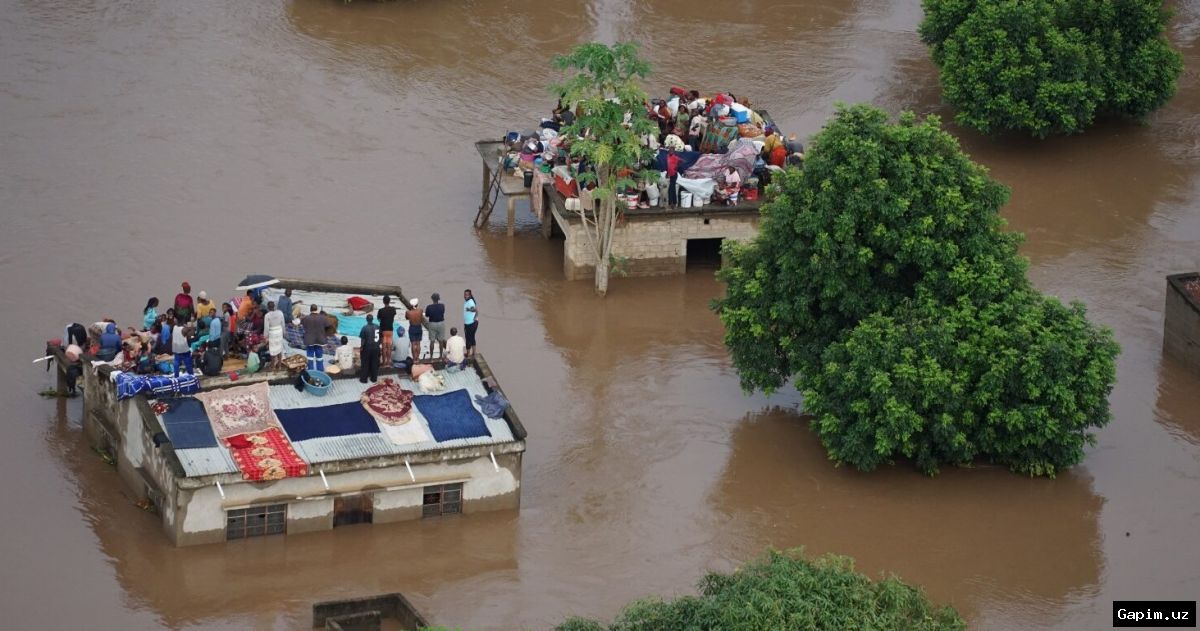
“We either die from the floods, or if we survive, hunger takes over,” Pinto tells Al Jazeera. He explains that the floods destroyed wells, pipes, livestock, and gardens, while the price of basic food increased sharply.
The floods, which swept across Mozambique from late December 2025 into early 2026, affected several central and southern provinces, including Gaza, Maputo, Inhambane, Sofala, and Zambezia. According to the Food and Agriculture Organization of the United Nations (FAO), about 275,405 hectares of farmland were affected, threatening the livelihoods of approximately 314,783 farmers.
Ana Mato Hombre, spokesperson for the World Food Programme (WFP) in Mozambique, says the flooding has disrupted access to food across many affected areas. “In many flood-affected areas, food stocks were lost, cropland destroyed, and several markets are not functioning at all,” she notes, adding that the main driver of rising prices is the loss of production and disruption of supply routes.
The crisis has also reached traders trying to keep food moving. Shuwa Anolis, a truck driver and food trader in Xai-Xai, says they had no choice but to add a 10 percent markup to the price of rice, flour, live chicken, and other products due to increased fuel and delivery costs. “Look at the main highway linking south to north of the country; it was flooded and impassable,” he says.
Tafadzwanashe Mabhaudhi, a professor of climate change and food systems at the London School of Hygiene and Tropical Medicine, emphasizes that Mozambique is repeatedly absorbing the costs of climate extremes despite contributing little to global greenhouse gas emissions. He points out that the country's position downstream of major river systems increases its vulnerability to flooding.
For Pinto and thousands of other survivors, the disappearance of floodwaters has not marked the end of the crisis. “The same communities whose crops were devastated by drought are still recovering, and now they have been devastated by floods,” Mabhaudhi says. “There is a limit on people's ability to cope with back-to-back disasters.”
Source: www.aljazeera.com