Libya's oil sector has been dealt another severe blow as a massive blaze erupted at the Zawiya refinery following a drone attack. The country's National Oil Corporation (NOC) has warned it may declare force majeure and halt operations if attacks persist, underscoring the fragile security situation in the North African nation.
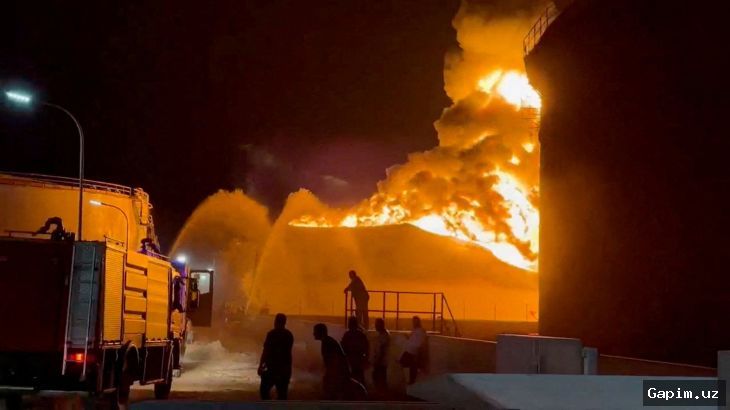
The Ambulance and Emergency Service reported on Tuesday that there were no serious injuries from the fire, with most patients treated for smoke inhalation. Footage verified by Al Jazeera showed towering flames and thick black smoke billowing over the facility, which is Libya's largest operating refinery with a capacity of 120,000 barrels per day, located about 40 kilometers west of the capital, Tripoli.
The NOC stated on Facebook that the fire broke out on Monday evening at tank number 402-T, belonging to the Brega Oil Company. The tank, containing approximately 4.5 million liters of gasoline, was "directly targeted, resulting in a severe fire before the tank completely collapsed." The attack followed drone strikes on a water desalination plant on Sunday and a naphtha reservoir on Saturday, highlighting a pattern of escalating sabotage.
The NOC declared a "maximum emergency" in the region and urged authorities to investigate and bring the perpetrators to justice, though no group has claimed responsibility. In a subsequent statement, the NOC said the refinery was "still being subject to sabotage attacks," with a drone targeting an oil blending and filling plant operated by the Zawiya Oil Refining Company, though it fell without causing casualties or damage. The company warned that continued attacks would force it to declare force majeure and suspend operations.
The Brega Oil Company appealed to "all parties to stop the fighting and stay away from oil facilities and depots," emphasizing that "oil facilities are vital infrastructure and owned by all Libyans" and that "protecting them is a national responsibility." These incidents highlight the persistent security challenges in Libya, where rival administrations and armed groups retain influence despite a 2020 ceasefire that ended major warfare. The country split in 2014 following a NATO-backed uprising that toppled longtime leader Muammar Gaddafi in 2011.
Two governments currently vie for power: the UN-recognized administration in Tripoli, led by Prime Minister Abdul Hamid Dbeibah, and a rival in the east backed by military commander Khalifa Haftar. The Tripoli-based government said Dbeibah held a meeting with key officials, including the interior minister and leaders of armed groups in the capital, to "follow up on the latest security developments." Dbeibah reportedly stressed the need to "deal firmly with any transgressions or actions that threaten security or harm vital facilities."
Separately, a Libyan parliamentary panel condemned the attack and called for stronger protection of oil installations. The House of Representatives' Energy and Natural Resources Committee stated it "condemns in the strongest terms the criminal attack targeting the Zawiya Refinery, one of the most vital facilities in the oil and gas sector that is a cornerstone of the national economy." The international community watches closely as Libya's stability remains precarious, with oil infrastructure caught in the crossfire of political rivalries.
Source: www.aljazeera.com