The administration of US President Donald Trump has accused dozens of countries of helping China illegally bypass American tariffs, depriving government coffers of tens of billions of dollars in annual revenue. In a report released on Thursday, the White House claimed that more than 40 countries have participated in a shadow logistics network facilitating the flow of Chinese goods into the US under false labeling.
China's biggest enablers in the alleged 'Great Transshipment Scam' include the European Union, Mexico, Canada, India, Japan, and South Korea, according to the Office of Trade and Manufacturing Policy. Southeast Asian nations, including Indonesia, Thailand, Malaysia, and Cambodia, are also said to play 'an important role' in the network, the report stated.
The US manufacturing sectors hit hardest by the transshipments purportedly include electrical equipment, integrated circuits, aluminum products, and motor components. 'Every dollar lost to this Great Transshipment Scam is a dollar stolen from American workers, manufacturers, and taxpayers,' the office headed by Trump appointee Peter Navarro said in the report. China's embassy in Washington, DC, did not immediately respond to a request for comment, and the countries named have yet to publicly respond.
Warning that countries facilitating transshipments are being 'put on notice', the White House said border authorities have employed artificial intelligence to integrate shipment data and other information as part of strengthened enforcement efforts. 'The message to the world is simple. The age of untraceable illegal transshipment is over,' the trade office said. 'What once seemed like quiet paperwork maneuvers – relabeling, repackaging, re-invoicing – has become a matter of economic sovereignty and national will.'
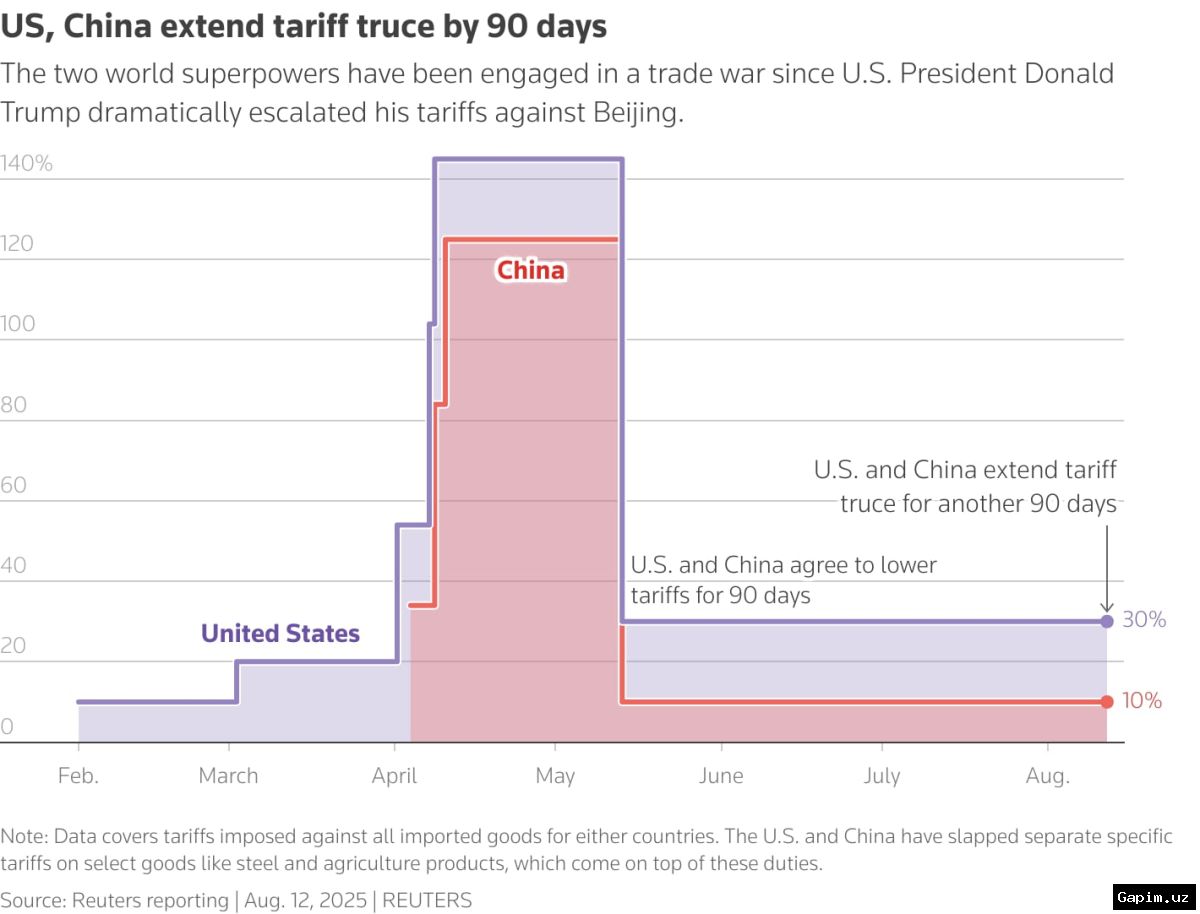
Trump has shaken up global trade with a slew of protectionist policies since returning to the White House in January last year. In its latest trade salvo, the Trump regime announced levies of 10-12.5 percent on imports from dozens of countries accused of turning a blind eye to forced labor. A group of 25 Democratic-led US states, including New York, California, and Colorado, has challenged the tariffs in court, calling the measures a pretext to reimpose Trump's sweeping 'Liberation Day' duties, which the US Supreme Court struck down in February.
Amitendu Palit, a trade expert and professor at the National University of Singapore, called the White House report the latest effort by the Trump regime to coerce countries into accepting greater market access for US goods. 'The delegitimization of Liberation Day tariffs has meant huge losses for the Trump administration: both in terms of the refunds it has had to pay, as well as in credibility,' Palit told Al Jazeera. 'Therefore it is seeking out more and more 'innovative' forms of weaponizing market access. This follows the earlier Section 301 tariffs imposed on various countries for not being able to limit use of forced labor.'
Source: www.aljazeera.com