In Bakau, a coastal town on the outskirts of Banjul, Gambia, a group of women gathers every Sunday evening as the sun sets. Dressed in oversized men's shirts and loose trousers, with brightly colored headscarves, they sing and dance in a tradition known as Kanyeleng, which offers solidarity to women who have experienced infertility and child loss.
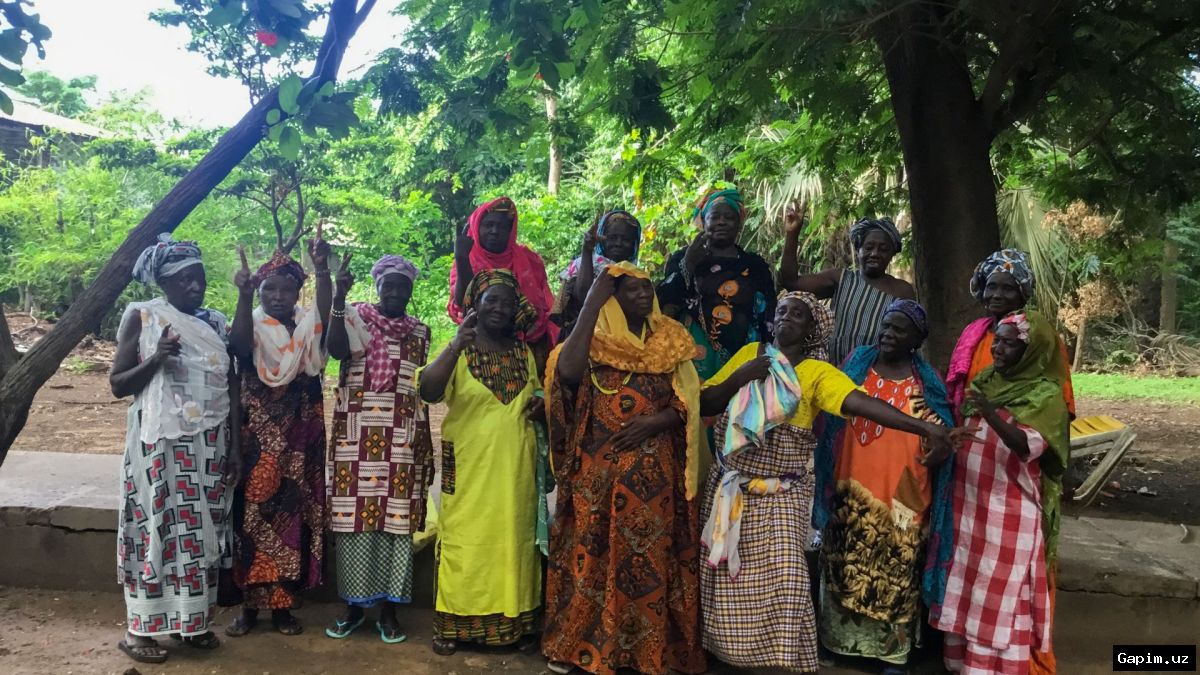
Mentending Trawally, 84, is one of the eldest members. She was born into the tradition and learned the songs as a teenager. After five miscarriages, she found solace in the group. "I cried until I had no tears left," she says. Her mother and grandmother were also Kanyeleng, as they too had lost children.
Suntukung, 28, joined after suffering multiple miscarriages following the birth of her first child. She felt isolated until a marabout advised her to find women who understood her pain. "When I joined them, I felt like I had found my family," she says. The group gave her a new name, Suntukung, meaning "dumpsite," a protective name believed to ward off spirits.
Tida Fofana, 78, has been a Kanyeleng since 1965. She never had a child, and her husband took two more wives under family pressure. "There were days I would ask God, 'Why not me?'" she recalls. Her husband died two years ago, still dreaming of a child together. She finds peace in her garden, growing vegetables to sell at the market.
Naju Ceesay, 58, known as Totala ("no name"), lost four babies to stillbirth, and her only daughter Amina died at six months. She keeps a small cardboard box under her bed with tiny socks and birth certificates. "This is all I have left of my children," she says, tears streaming down her face. Her husband chose not to remarry, despite pressure from relatives.
The Kanyeleng tradition is widespread across Gambia, with over 100 groups, according to historian Hassoum Ceesay. It is rooted in Mandinka culture but adapted by other ethnic groups. The women meet weekly, contributing 200 dalasis (about $2.70) each to a fund for members in need. For them, song is a way to express grief collectively and find connection.
Maternal and newborn health remains a challenge in Gambia. The WHO estimated a maternal mortality ratio of 354 per 100,000 live births in 2023, compared to a global average of 197. A 2025 study found that 5.1% of births in major public facilities were stillbirths. "Outsiders see only the performance," says Trawally. "They do not see the grief that created it."
Source: www.aljazeera.com