French Prime Minister Sébastien Lecornu faced a hostile reception from residents in the wildfire-devastated region of Gironde on Monday, as he arrived in Merignac to address the aftermath of the blazes. Around 200 people gathered at the town hall in Le Porge, where 183 homes were destroyed, to voice their anger and frustration over the government's handling of the crisis.
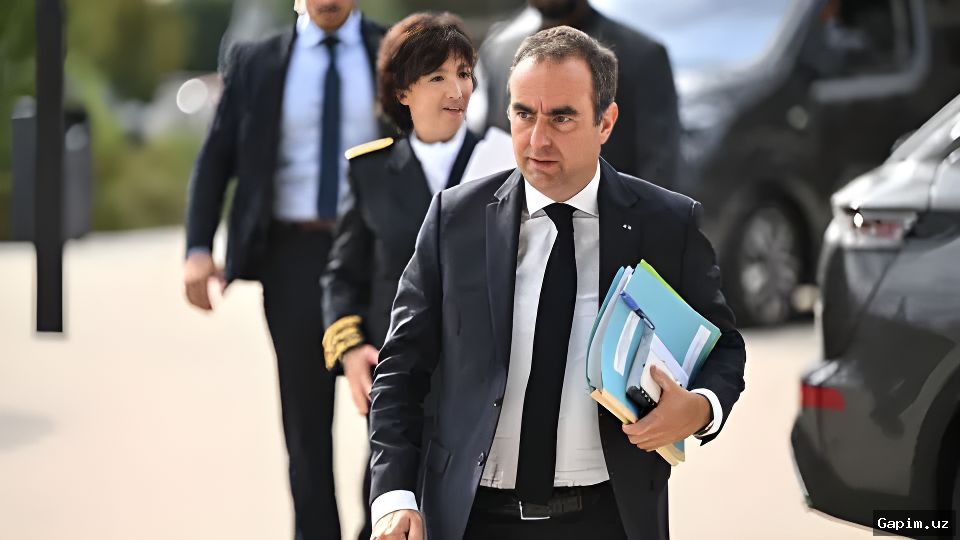
The organizer of a residents' group accused the prime minister of avoiding direct engagement with victims, while Lecornu's office insisted it had "nothing to hide" regarding firefighting operations. The prime minister announced €12 million (£10.3 million) in aid for the Gironde and Landes regions, with €10 million earmarked for Gironde and €2 million for Landes, to fund what he described as a "recovery plan" and expedite reconstruction permits.
Ludivine Daurignac, who leads the residents' group, told AFP that they plan to file legal complaints to seek "truth, transparency, and justice," claiming they were blocked from meeting the prime minister. "We were met by lines of riot police blocking our access," she said, reflecting the deep mistrust between locals and authorities.
Residents also questioned the tactical decisions made during the fires, with one local telling BFM: "We would like to know why the fire was managed this way. Why all the firefighters who were on site left to defend the tip of Ferret, while only the volunteer firefighters remained." Tens of thousands were evacuated from the Cap Ferret peninsula last month as fires spread across Gironde.
The wildfires are not confined to France. In Belgium, firefighters spent a fourth day battling blazes in the Hautes Fagnes nature reserve, with the fire described as the largest in recent history. Belgian authorities noted that despite overnight spread, conditions improved due to "more favorable winds and rainfall," and international assistance from the Netherlands, Germany, Norway, and Sweden was expected.
Greece reported 41 forest fires in 24 hours, with three still ongoing. Two people died and hundreds were evacuated on the island of Salamina near Athens, where twin fires threatened to converge. In Spain, a soldier died in the Peñas de Riglos fire, and flames continued near the Portuguese border. Croatia arrested four people suspected of arson in Zadar, where a wildfire killed at least one person and injured dozens.
The European Union's Copernicus climate monitoring service confirmed that Western Europe experienced its hottest June-to-July period on record, exacerbating the conditions fueling these devastating fires. As climate change intensifies, European nations are struggling to cope with the increasing frequency and severity of wildfires, raising urgent questions about preparedness and response strategies.
Source: www.bbc.co.uk