In Oakland, California, a historic legal battle came to an abrupt end as Meta, the parent company of Facebook and Instagram, agreed to pay $18 billion to settle a lawsuit brought by 29 US states. The plaintiffs alleged that Meta's products were designed to addict children and failed to protect them from drug dealers, cyberbullies, and extortionists.
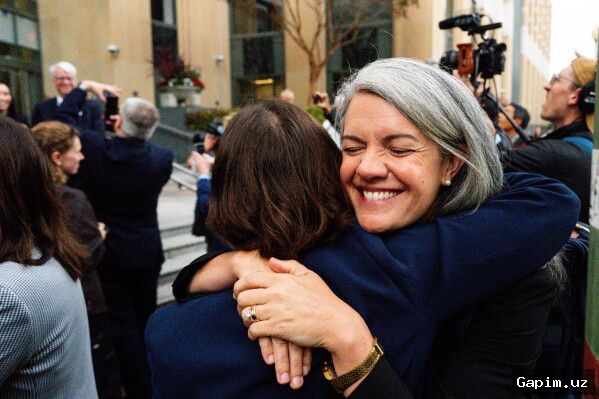
The trial, which began on August 18 and was expected to last six weeks, was halted after just a few days when the settlement was reached. While hailed as historic, the agreement left many parents frustrated, as they were denied the opportunity to see all the evidence against the tech giant.
Erin Popolo, whose 16-year-old daughter Emily died by suicide after being cyberbullied, questioned, "What evidence did they not want to get out?" Emily had taken a job at a cafe during the pandemic, and classmates posted photos of her in an apron and hairnet, leading to relentless online harassment.
During the proceedings, Instagram CEO Adam Mosseri testified that the company had added features like pop-up reminders and quiet mode for teens in 2024. However, he admitted that parents had no way of knowing that only 1-2% of children actually used these features, highlighting the inadequacy of Meta's safety measures.
Mary Rodee, whose 15-year-old son Riley died by suicide after being extorted on Facebook Messenger, said, "We were robbed of seeing the evidence." Riley had been contacted by a group of men from the Ivory Coast posing as a teenage girl, who threatened to share his private photos unless he paid $3,500.
Lori Schott, who lost her 18-year-old daughter Annalee to suicide, called for stricter measures, including limits on infinite scroll, autoplay, and algorithmic feeds. "It keeps kids online," she said, demanding more control over personalized recommendations and the option to use chronological feeds.
Deb Schmill's daughter Becca died of a fentanyl overdose after being raped by a boy she met online and then cyberbullied. Schmill's foundation conducted research showing that over 95% of accounts selling drugs on Instagram were not removed after being reported, underscoring the platform's failure to protect minors.
As part of the settlement, Meta agreed to implement two-hour time limits for users under 18, as well as nighttime and school-time blocks. However, parents argue that these measures are insufficient and do not address the core issues of addictive design and targeted advertising.
Meta defended its actions, stating that teens move fluidly between apps and that all platforms should adopt similar protections. Meanwhile, similar lawsuits are mounting against other social media companies, including Snapchat, which faces a case filed by the Pennsylvania attorney general.
Parents, holding a banner with the names of 398 children who allegedly died due to social media harms, vowed to continue their fight. "This fight is far from over," said Erin Popolo, emphasizing the need for federal legislation to hold tech companies accountable.
Source: www.aljazeera.com