As wildfires continue to rage across Indonesia, forcing school closures and sending thousands to seek medical treatment for respiratory issues, residents in West Kalimantan say this year's crisis is the worst in years.
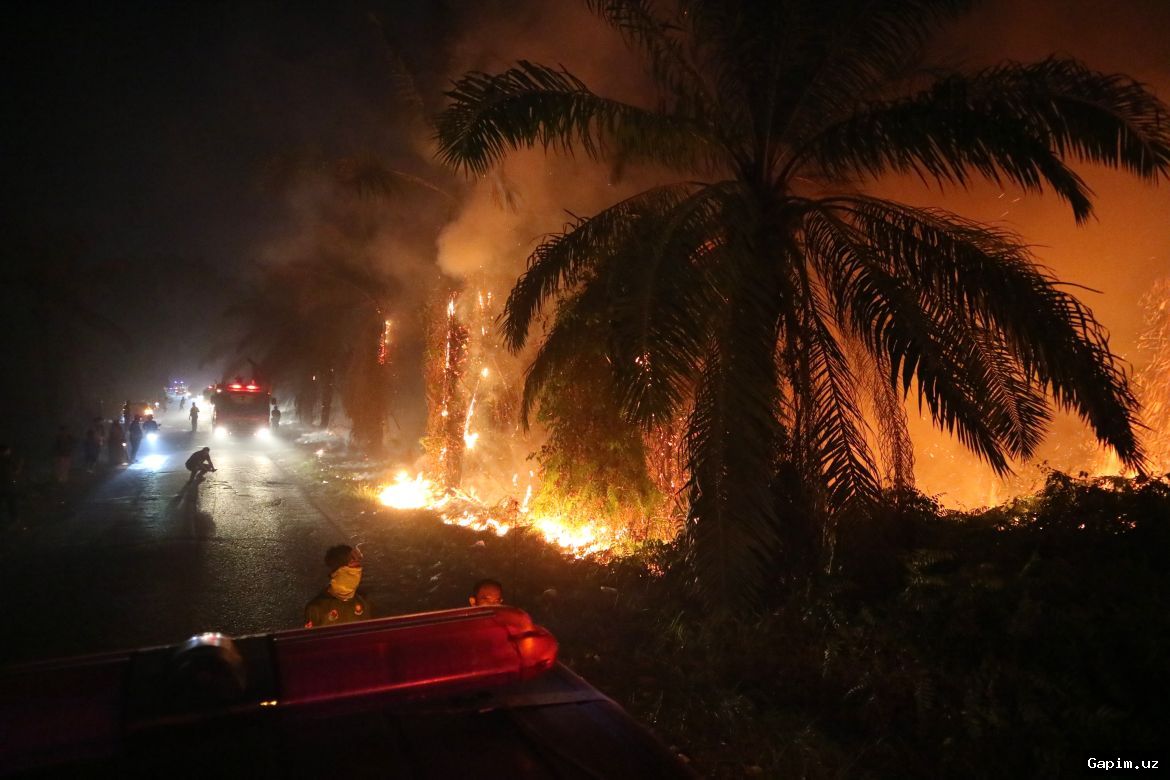
“I have lived here for 15 years … I have never experienced a fire like this before. This is the first time something like this has happened,” Salma, a resident of Kubu Raya, told Al Jazeera. She described how fires grew and spread over nearly two weeks, forcing her to evacuate.
“I was scared, I was afraid that I would be burned by such a big fire. So I evacuated,” Salma said, adding that the fire “almost burned everything” and her home was saved only by the quick response of firefighters.
Volunteer firefighter Anas Dwi Wahyu Kurniawan called the situation “very serious,” noting that this year's fires are comparable in scale to those of 2016. Blazes continue to spread across Sumatra, Kalimantan, Sulawesi, Java, and Papua, with emergency crews battling the flames.
On Tuesday, President Prabowo Subianto said the government had deployed dozens of helicopters, aircraft, water pumps, and thousands of personnel to fight the fires. The Health Ministry reported that 3.4 million people are at risk of respiratory infections and has distributed over 260,000 face masks to affected residents.
In Kubu Raya and other parts of West Kalimantan, emergency crews are grappling with difficult conditions as fires spread rapidly through dried peatland, compounded by water shortages and haze limiting visibility.
“From what I have experienced, it is much worse compared to previous years,” said Kurniawan, who also highlighted the lack of personal protective equipment and emergency supplies like portable oxygen, severely complicating firefighting efforts.
The health impact is severe. Dr. Muhammad Arief Trihapsoro from the Sungai Durian Health Clinic reported seeing 50-70 patients daily with coughs and sore throats. Concerns include bronchitis and long-term effects of air pollution, such as increased risk of stroke and heart disease.
Pregnant women and children are among the most vulnerable. Siti Zahra, a mother of two, said her children have been sick three times in the past month due to the smoke and ash, and that ash even invades their home, requiring constant sweeping.
Zahra is afraid to let her children go outside, as they refuse to wear masks. “I'm very worried that this [haze and ash] will have a long-term impact on their health,” she said, fearing the lasting consequences of the crisis.
Source: www.aljazeera.com