Canada has entered a new phase in its trade war with the United States after Prime Minister Mark Carney refused to align with Washington's tariffs on China. The decision has triggered new US import duties, escalating tensions between the two allies and sending ripples through the global economy.
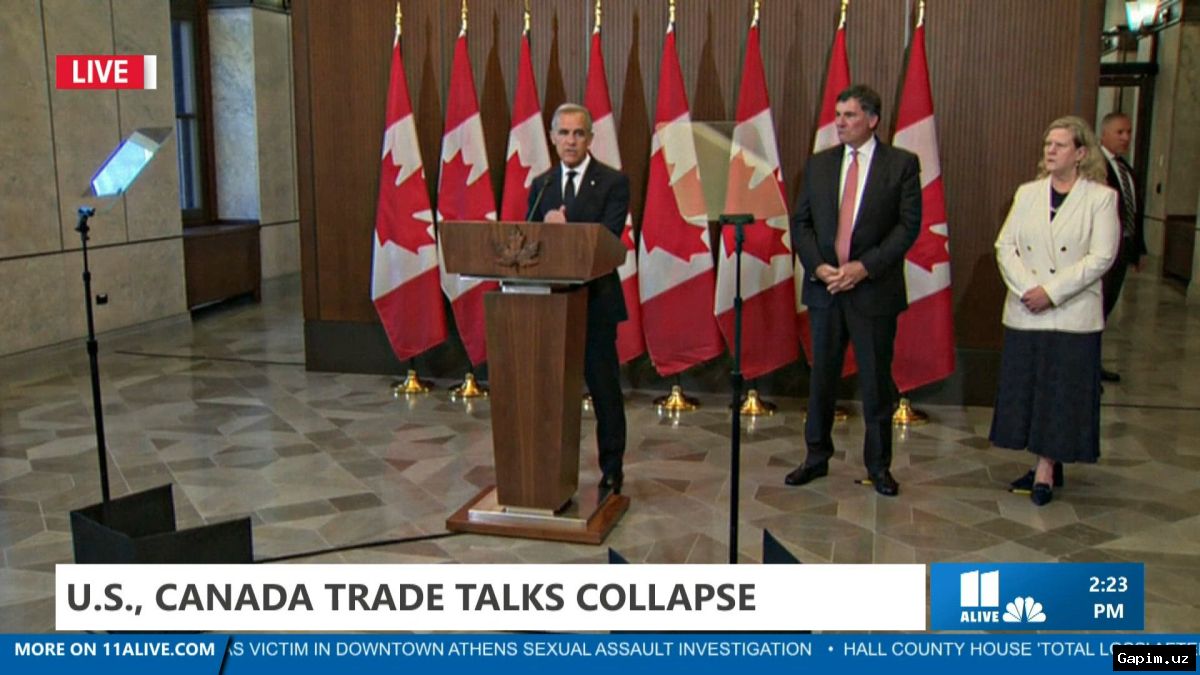
Negotiations collapsed on August 21, despite both sides signaling a deal was within reach until the 11th hour. The US then imposed 50% tariffs on approximately $20 billion worth of Canadian goods, prompting Ottawa to pledge matching duties on US imports.
At the heart of the breakdown were last-minute changes by US negotiators, who reportedly demanded that Canada adopt tariffs on Chinese goods to prevent transshipment. Ottawa viewed this as an infringement on its sovereignty and refused. Dan Ciuriak, a senior fellow at the Center for International Governance Innovation, described the US plan as "fortress North America," which he said now poses a sovereignty challenge for Canada.
Canada has already experienced the consequences of aligning with US policy. Last year, when Washington imposed 100% tariffs on Chinese electric vehicles, Ottawa followed suit. Beijing retaliated with 100% tariffs on Canadian canola, halving exports of the oilseed, meal, and seed to China.
Public support for Carney's hardline stance remains strong. An Angus Reid Institute survey found that three in four Canadians back the government's approach, despite concerns about economic fallout. Canadians are also voting with their wallets: trips to the US have plummeted by nearly 500,000 in the first quarter, and many shoppers are boycotting American products.
Economists warn of significant costs. The Royal Bank of Canada estimates a 0.4% hit to GDP, while University of Calgary economist Trevor Tombe suggests up to 90,000 jobs could be lost. However, Ciuriak argues that Canadian tariffs on US goods could create domestic space for local production.
Carney has urged other middle powers to stand together, warning that if they are "not at the table, they will be on the menu." So far, Canada stands largely alone, with new tariffs on $20 billion of US goods set to take effect September 8. The world is watching to see if Ottawa's defiance will pay off.
Source: www.dw.com