The number of Afghans forcibly returned from Pakistan and Iran has surpassed one million this year, according to the UN Refugee Agency (UNHCR). This is part of the largest cross-border movement of people anywhere in the world, with six million people—equivalent to the population of a small country—returning to Afghanistan in under three years.
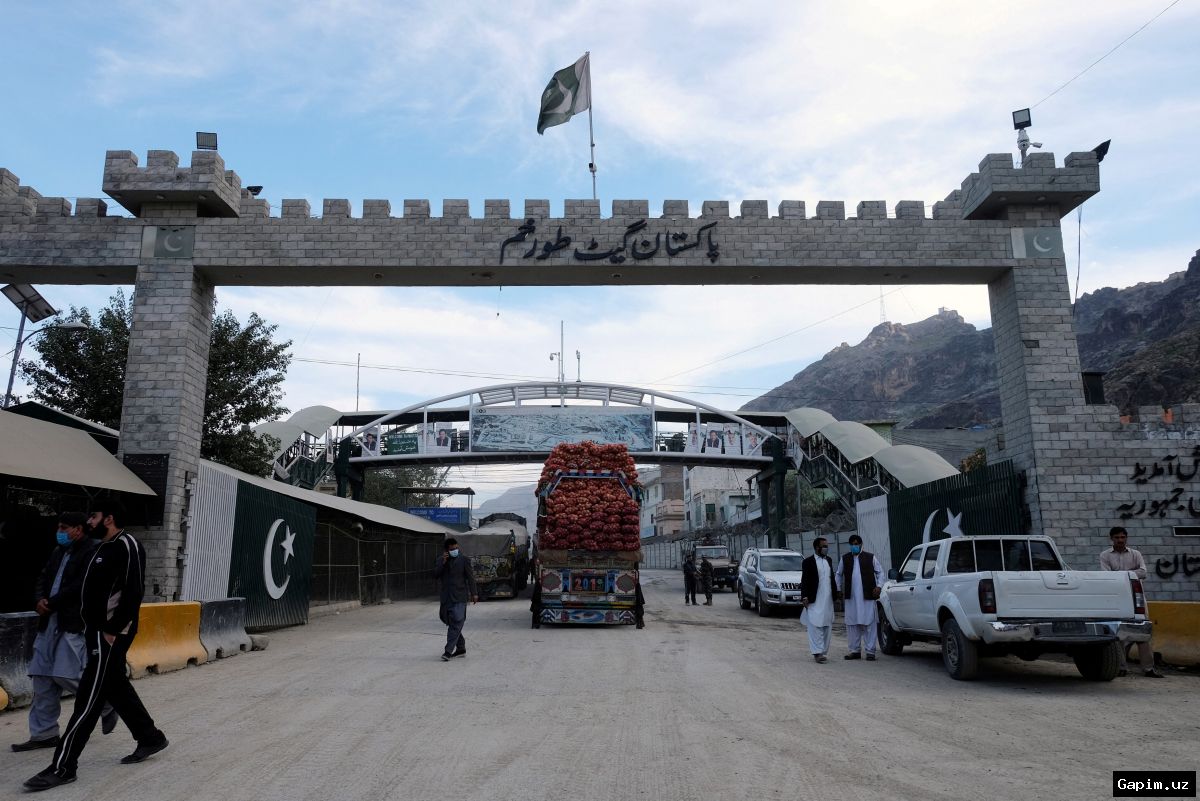
At the Torkham crossing, known as 'Zero Point', 35-year-old Nazia, born in Pakistan, steps into Afghanistan for the first time. 'It feels good to be in my own country, but many people here don't even have enough bread to eat,' she sighs, heading with two children toward registration counters adorned with Taliban flags. Nearly her entire family—eight sisters and their children—was deported this year.
Many returnees have spent decades abroad. Sarwar, who left 45 years ago during the Soviet invasion, says: 'I left 45 years ago, and most of my brothers were born in Pakistan. We lived there a long time, so I felt heartbroken when they forced us out. But I am also happy to be free of harassment by Pakistan's police.'
Pakistan's government denies systematic abuse, calling incidents 'sporadic'. However, Human Rights Watch documented 'door-to-door raids, late-night home searches and arrests without warrants' in February. Iran, after its 12-day war with Israel and the US in June, accelerated deportations, accusing some Afghans of spying for Israel.
The future of women and girls is a major concern. 40-year-old Zarina, sitting in a sweltering tent at 41°C, says: 'Look at them, they're all girls. Of course I'm worried.' Her family has no resources, not even a tent. UNICEF warns that one million children face life-threatening malnutrition.
Taliban Foreign Minister Amir Khan Muttaqi tries to put on a brave face: 'There's no doubt that we need some help. There is pressure due to their return, but in the long run, it will benefit them as well as Afghanistan.' However, restrictions on women and girls undermine international support. Only Russia has formally recognized the Taliban government.
UNHCR stresses that returns should be 'voluntary, safe and dignified'. But every family met at Zero Point repeats the word 'nothing'—they are starting over with almost nothing.
Source: www.bbc.co.uk