Bangladesh is carefully assessing the potential consequences of joining the Mecca mutual defense alliance, a pact signed last month by Saudi Arabia, Turkey, and Pakistan. However, experts warn that any move to join could significantly complicate relations with neighboring India, with which Bangladesh shares a 4,096-kilometer border and deep cultural and economic ties.
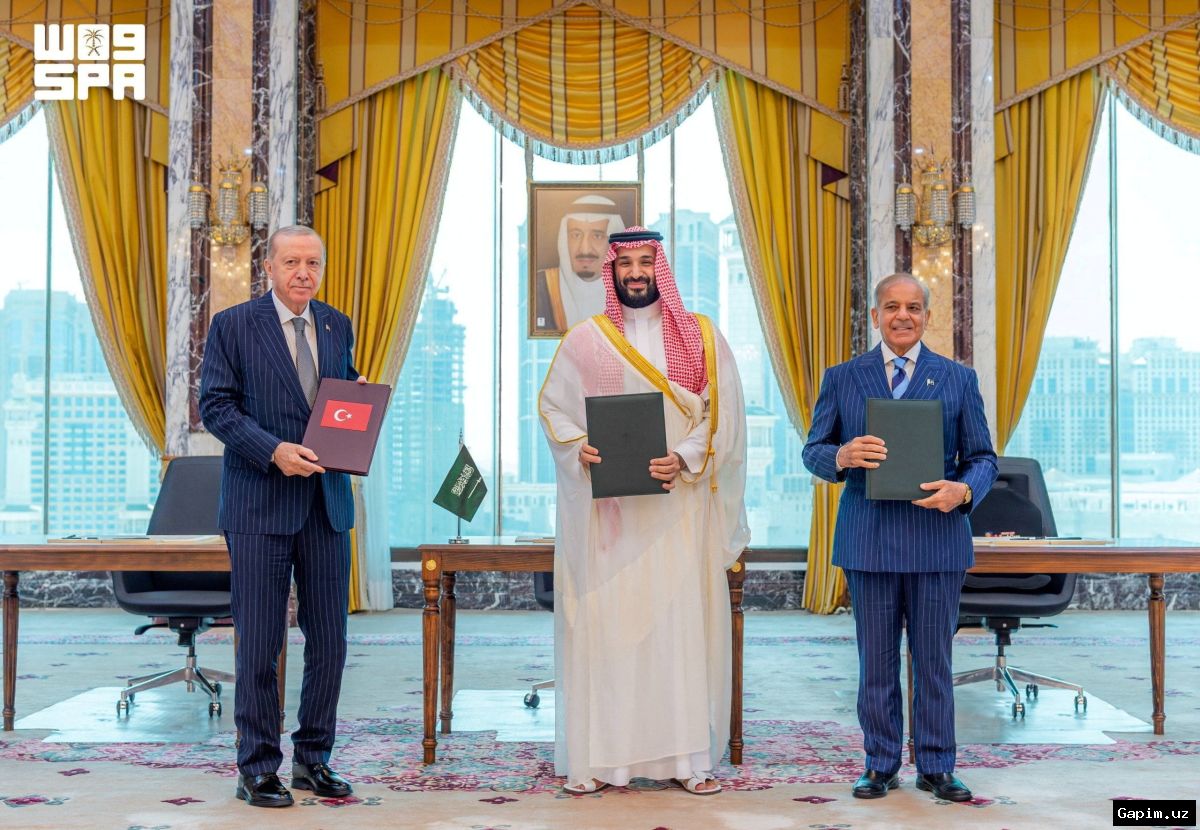
The 'Mecca Joint Defense Agreement' is designed to strengthen collective deterrence, stipulating that an armed attack on any signatory would be considered an attack on all. Analysts believe the pact has already shifted the geopolitical landscape of the Middle East and South Asia, potentially altering regional power dynamics.
Navine Murshid, a professor at North South University in Dhaka, noted that while the agreement is a collective defense understanding, it primarily serves to maintain regional balance and advance the interests of member states. She emphasized that Bangladesh must carefully define its role and boundaries if it considers joining, especially given the complex regional security environment.
Relations between Dhaka and New Delhi have become increasingly strained since the 2024 student-led uprising that ousted Prime Minister Sheikh Hasina, a close ally of India. Hasina, now in exile in India, has been convicted in absentia for crimes against humanity, though she denies the charges. India has stated it is closely monitoring the pact's developments, citing implications for its national security.
Bangladesh's Foreign Minister Khalilur Rahman told parliament that the government views the pact positively but has not received an invitation to join. He added that Dhaka would consider membership if approached. Meanwhile, Indian officials have expressed concerns about the pact's impact on regional security, particularly regarding the Siliguri Corridor and eastern frontier.
Analysts are divided on the potential benefits. Some argue that joining could modernize Bangladesh's defense capabilities and provide access to military technology. However, former diplomat M. Humayun Kabir cautioned against joining, noting that Bangladesh has avoided military alliances for over 50 years. He stressed the importance of maintaining a balanced foreign policy, given the country's reliance on UN peacekeeping missions and its global economic interconnectedness.
Source: www.dw.com