India has rejected a ruling by a Hague-based arbitration court that the 1960 Indus Waters Treaty remains in force, casting fresh doubt on the future of the World Bank-brokered agreement. India's Ministry of External Affairs called the tribunal "illegally constituted" and said it "categorically rejects its so-called award."
Pakistan welcomed the ruling, with Deputy Prime Minister and Foreign Minister Ishaq Dar saying it "decisively rejects" India's attempt to place the treaty in abeyance and reaffirms that it remains "fully in force and binding on both parties." Dar added that India must comply with its obligations under the treaty.
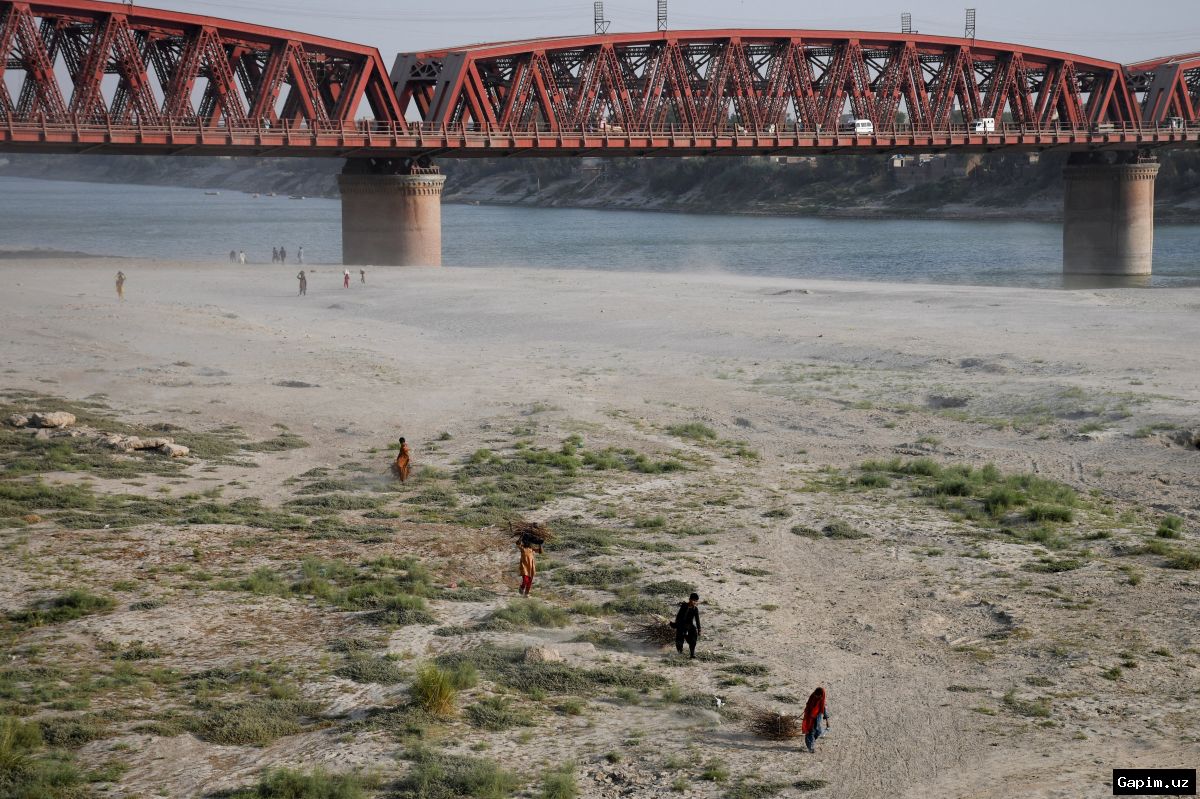
The Indus Waters Treaty governs the use of water from six rivers flowing through India and Pakistan. It grants India rights over three eastern rivers, while Pakistan has rights to the western Indus, Jhelum, and Chenab. India is allowed to use the western rivers for specified purposes, including hydroelectric projects.
In April 2025, India suspended the treaty as part of diplomatic and economic measures following a deadly attack in Indian-administered Kashmir that killed 26 people. New Delhi accused Islamabad of backing the attack, which Pakistan denied. Millions of people in Pakistan depend on these rivers for drinking water, farming, and daily life.
Analysts say the ruling is unlikely to change India's position, as New Delhi did not participate in the proceedings. Shanthie Mariet D'Souza, a South Asia analyst, noted that the Permanent Court of Arbitration lacks enforcement capabilities, so "nothing changes materially for New Delhi." However, she acknowledged that the ruling gives Pakistan a "moral edge."
Uttam Kumar Sinha, a senior fellow at the Manohar Parrikar Institute for Defence Studies, described the dispute as "lawfare," with Pakistan likely to use the ruling in international forums. He added that India cannot simply "turn off" the western rivers due to geographical and technical constraints, as large infrastructure projects would take years or decades to build.
The practical implications remain unclear, but experts agree that India's rejection of the ruling may affect its international standing. Ayesha Siddiqa, a Pakistani political scientist, said India will not be able to justify its position to the world any longer, especially given its acceptance of international legal decisions in other disputes.
Source: www.dw.com