Families in Nepal have held symbolic funerals for relatives who remain missing, hoping to free their souls after they were presumed dead. In Hindu tradition, cremation is a vital final rite, and for some families, performing the ceremony without the bodies of their loved ones has brought a measure of spiritual release.
Authorities in Nepal have meanwhile been burying recovered bodies in temporary graves until they can be identified. DNA samples are being preserved, distinguishing facial features photographed, and other identifying details recorded to help match the remains with missing people and eventually return them to their families.
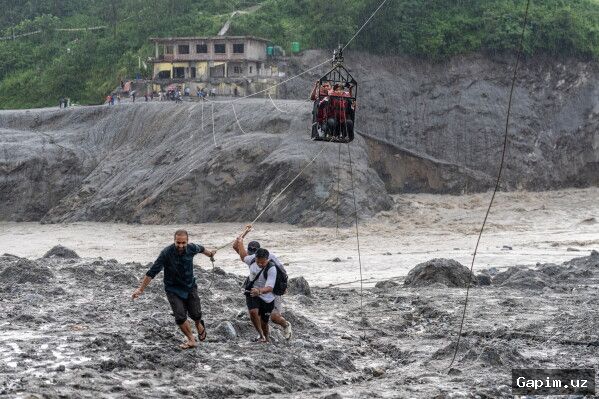
The August 26 flash flood has been one of the deadliest disasters to hit the Himalayan nation in recent years. More than 1,200 people were killed and about 4,750 remain missing in Nepal and China's Tibet region, after a huge wave of mud and debris destroyed towns, roads, bridges, and several hydropower dams.
The catastrophic event has left thousands of families in anguish, uncertain about the fate of their loved ones. The symbolic funerals, while not a substitute for traditional rites, have provided a sliver of comfort to those who have lost everything. However, the lack of closure remains a painful reality for many.
As the search and identification efforts continue, the Nepalese authorities face the daunting task of matching hundreds of unidentified bodies with missing persons reports. The process is slow and painstaking, but officials are committed to ensuring that every family receives answers, even if it takes months or years.
Source: www.aljazeera.com