A recent ARD Deutschlandtrend poll reveals that 56% of German voters feel their country's security is threatened by Russia. This sentiment has been fueled by a series of incidents in recent weeks, including a drone attack on Leipzig Airport and an arson attack near defense contractors in Bavaria.
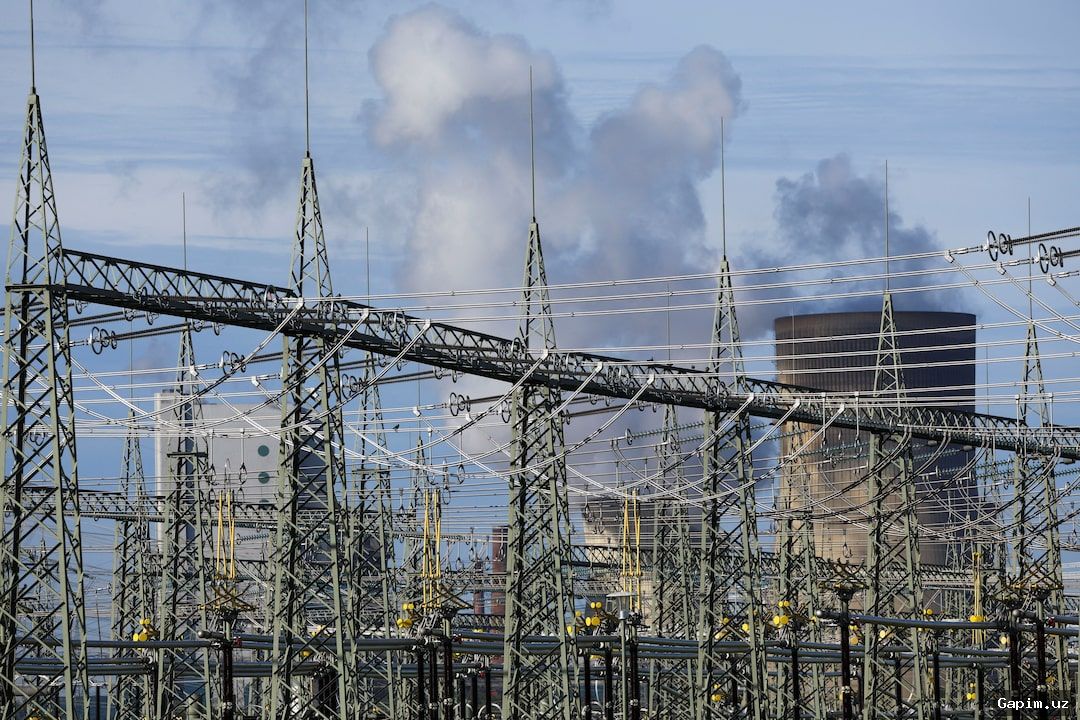
Explosive devices and pyrotechnics were also discovered at two electrical substations in Brandenburg and North Rhine-Westphalia. As Germany heads into September with three crucial state elections, attacks on critical infrastructure appear to be on the rise, with defense contractors allegedly in the crosshairs.
After initial hesitation, the German government has publicly blamed Russia for the Leipzig attack. Chancellor Friedrich Merz of the CDU stated, "We are not at war, but we are no longer at peace either." Interior Minister Alexander Dobrindt warned that Germany has become a "daily target of hybrid warfare," referring to non-military measures like cyberattacks, espionage, propaganda, and sabotage.
The poll, conducted by infratest-dimap for ARD between August 31 and September 2, surveyed 1,319 voters. However, not all Germans share this concern: nearly half of eastern Germans and two-thirds of AfD supporters perceive the threat from Russia as low. This division mirrors opinions on arms exports to Ukraine, where just over half of Germans find military support appropriate, while over 40% believe it goes too far.
In the eastern state of Saxony-Anhalt, the far-right AfD is leading and could win an absolute majority in Sunday's election. Nationally, the AfD would receive 27% of the vote, making it the largest party in the Bundestag. The CDU/CSU would trail with 21%, followed by the Greens at 15%, the SPD at 13%, and the Left Party at 12%.
The governing coalition of CDU/CSU and SPD would lose its majority if elections were held now. Only 15% of respondents are satisfied with the government's performance, and Chancellor Merz's approval rating stands at a mere 13%. Confidence in the CDU/CSU's competence has also waned: only 23% believe they can ensure peace in Europe, down from 31% a year ago, and 24% trust them on the economy, down from 31% in February 2026.
In eastern Germany, the AfD is now seen as the most competent party across all policy areas except climate and environmental policy. The economic situation is viewed negatively by 79% of Germans, with stark partisan differences: 41% of SPD supporters and 37% of Green supporters see it as good, while 96% of AfD supporters deem it poor.
Source: www.dw.com