Nepal declared a national day of mourning on September 7 for victims of a catastrophic flood triggered by a glacial collapse. Flags were lowered at government buildings and diplomatic missions abroad, while rescue teams continued searching for thousands of people still unaccounted for.
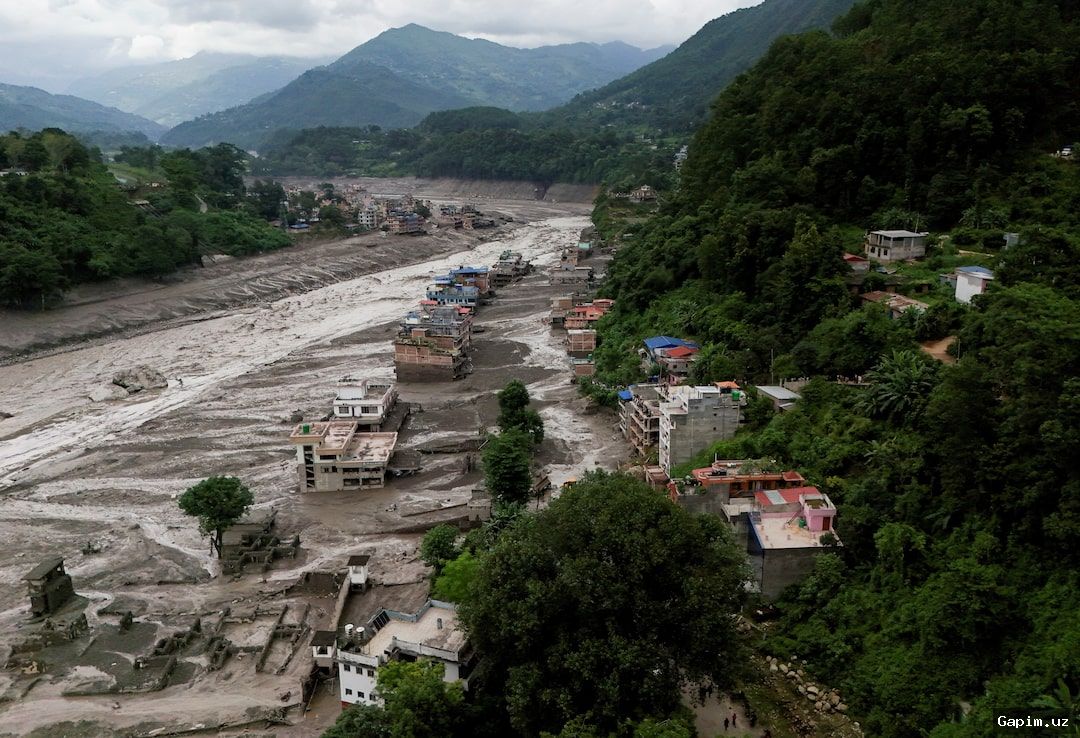
The disaster struck on August 26 near the border with China's Tibet region, when a massive chunk of ice, mud, and rock crashed into a river, causing flash floods downstream. According to the latest figures, the death toll has climbed to 1,380, with over 5,500 people still missing.
September 7 marked the 13th day since the tragedy, which, according to Hindu tradition, is the final day of mourning. Families of the deceased have been performing rituals, but the government has refrained from holding official memorial events, focusing all resources on rescue operations.
Particular concern surrounds 12 destroyed hydroelectric power plants, where around 900 workers are missing. Authorities estimate that up to 500 people may still be trapped in underground tunnels. International rescue teams from India, China, South Korea, and the US have been deployed to assist.
Despite the scale of the disaster, survivors have been found. A Chinese national was rescued from a flooded tunnel of a power plant, two Nepali workers were saved earlier, and a local woman was pulled alive from the rubble of her own home.
Nepal's President Ram Chandra Paudel personally visited affected areas to assess the damage. Meanwhile, in Kathmandu, relatives of the missing gathered outside government buildings demanding faster search efforts. Some families, losing hope, have already held symbolic farewell ceremonies.
Earlier, President of Uzbekistan Shavkat Mirziyoyev expressed condolences to Nepal's President over the flood.
Source: podrobno.uz