Yemen's Houthi group has launched attacks on energy sites in southern Saudi Arabia, with Riyadh reporting at least 73 people wounded, including women and children. The Houthis said they targeted facilities belonging to oil giant Aramco in a "broad operation" using drones and ballistic missiles.
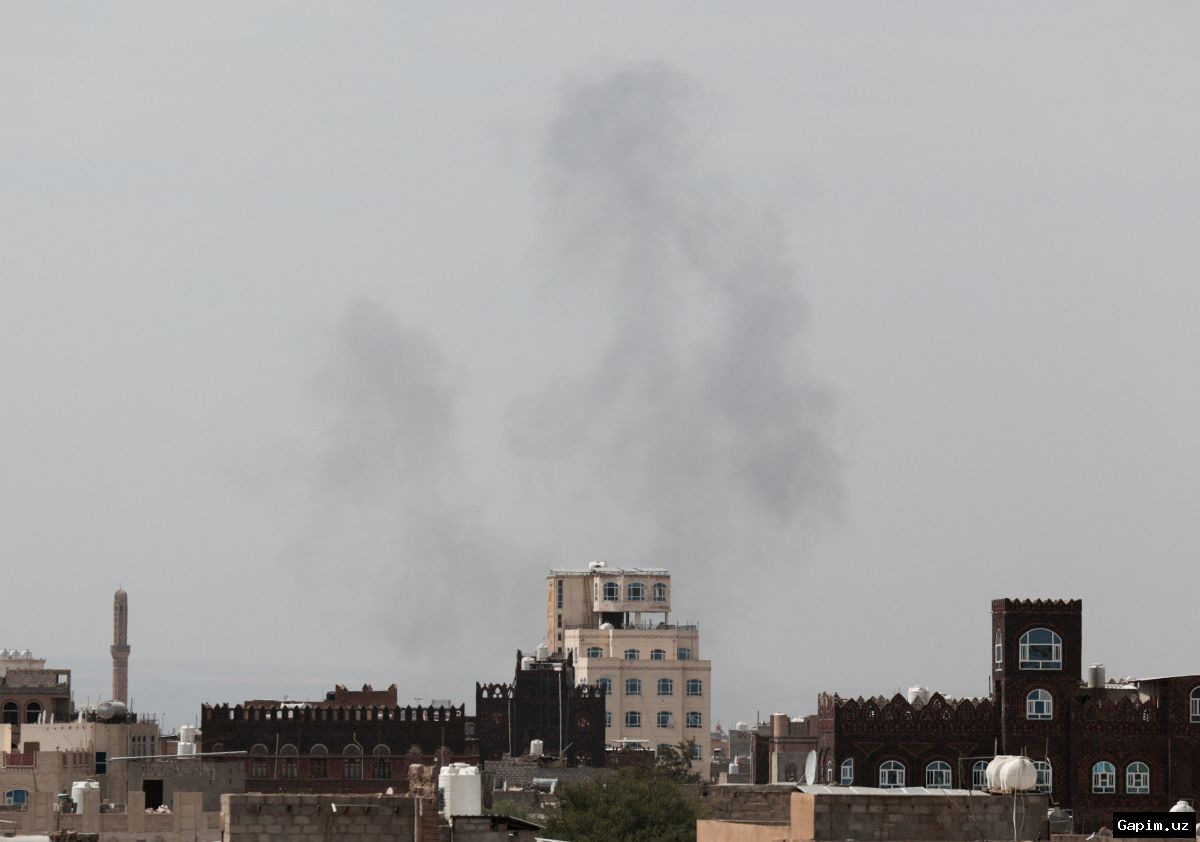
Saudi authorities confirmed strikes on several oil installations and utility sites, triggering fires across the southern provinces. The Houthi military spokesman, Yahya Saree, described the attacks as retaliation for recent Saudi airstrikes on Houthi-controlled areas in Yemen, including an alleged strike on a prison in al-Hazm that killed seven people.
The renewed hostilities mark the most serious escalation since a UN-brokered truce in 2022 ended large-scale fighting in Yemen's eight-year civil war, which has killed tens of thousands. The Saudi-backed internationally recognized Yemeni government has launched counteroffensives against Houthi positions in al-Jawf, al-Bayda, Marib, and Taiz, vowing to retake the capital Sanaa.
The strategic Bab al-Mandeb Strait, linking the Red Sea to the Gulf of Aden, is a key focus. The Houthis declared a blockade on Saudi shipping in July and are pushing toward government-held areas near the strait. Its importance has grown as Iran's restrictions on the Strait of Hormuz force Saudi Arabia to rely more on Red Sea export routes, with seaborne crude exports through Bab al-Mandeb eight times higher than in 2025.
Analysts say the Houthi offensive on the western coast is linked to their maritime campaign. "The move towards the western coast is not only about gaining territory... It also has a maritime dimension," said Ahmed Nagi of the International Crisis Group. "Gaining more control could give them greater depth and allow them to sustain pressure on maritime traffic in the Red Sea."
The World Health Organization reports at least 728 people killed or wounded since August 23, with 21,000 displaced from Taiz alone. The humanitarian situation is deteriorating, with analysts warning of economic collapse and further displacement if fighting continues.
Saudi political analyst Khaled Batarfi suggests Riyadh will respond firmly but avoid a prolonged war. "This is an escalation... The coalition will have a say. But I don't see a prolonged war," he said. Meanwhile, the conflict's regional dimensions are clear, with Iran backing the Houthis and Saudi Arabia leading the coalition, raising fears of a wider proxy war.
Source: www.aljazeera.com