One year ago, thousands of young people took to the streets in multiple Nepali cities to protest against corruption. Following curfews, arrests, and the killing of protesters in a crackdown, the Gen Z-led movement forced the government from power, ushering in an interim administration and opening the way for new elections.
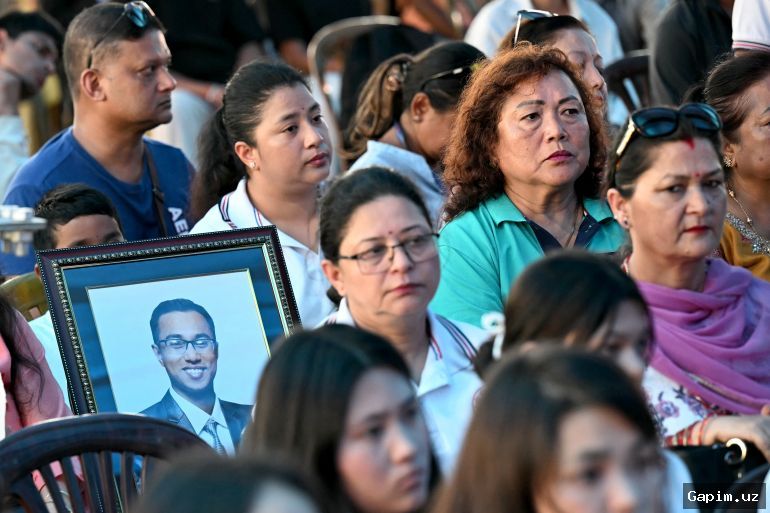
On September 8, 2025, youth-led protests began in Kathmandu and other cities, sparked by a series of corruption scandals and anger over the lavish online lifestyles of officials' children, dubbed "Nepo kids." The protests erupted days after the government blocked 26 social media sites, a ban lifted when protests began.
Young demonstrators defied curfews, leading to arrests and police firing live rounds, killing about 76 people. Protesters set fire to government buildings, including parliament, and the army was deployed.
On September 9, Prime Minister KP Oli resigned. Within a week, former Chief Justice Sushila Karki was appointed interim PM. In March this year, 35-year-old rapper-turned-politician Balendra Shah was sworn in as the country's youngest-ever prime minister.
Shah's Rastriya Swatantra Party (National Independent Party) won more than two-thirds of the 165 directly elected seats in parliament. Traditional parties like Nepali Congress and CPN-UML have much smaller representation than ever before.
Protesters' demands included PM resignation, parliament dissolution, anti-corruption measures, and social justice. Some have been met: Oli resigned, parliament was dissolved, and new elections were held.
In March, Oli and former Home Minister Ramesh Lekhak were arrested over the crackdown but released in April on Supreme Court orders. They remain under investigation but have not been formally charged.
Observers say corruption among elites remains largely unaddressed. Professor Dinesh Paudel said: "The fundamental concerns raised by young protesters are still the same, and there are no governance style changes except populist rhetoric."
Young leaders are divided: some entered parliament and government, others remain activists. Divisions are growing over how much to compromise with the old political establishment.
In May, the government invited 29 Gen Z activists for constitutional amendment input, but 25 boycotted, citing ignored systemic problems. Activist Aayush Basyal noted that over 900 protesters remain in jail, many from poor, minority backgrounds.
Analysts stress the need for structural reforms. Upreti said: "The government has not begun any structural changes. Massive reform of the bureaucracy is a precondition, but no meaningful work has been done."
Nepal's highly centralized system is a major obstacle. Paudel concludes: "Nepal has missed yet another opportunity to fundamentally address people's desire for change."
Basyal criticized the government's lack of transparency: "The PM doesn't speak much in parliament, and when he does, it's chaotic. If unaddressed, this may lead to a second wave of public disenchantment."
Meanwhile, Nepal is grappling with catastrophic floods on the Tibet border, with over 1,300 dead and thousands missing. Flags flew at half-mast as the nation mourned.
Source: www.aljazeera.com