The United Kingdom has announced a ban on the import of all goods produced by illegal Israeli settlements in the occupied West Bank, in the country's most significant policy shift since London's historic recognition of Palestinian statehood last year. The move, unveiled by Foreign Secretary Ed Miliband in a parliamentary address, marks a hardening of British policy toward Israel's settlement enterprise.
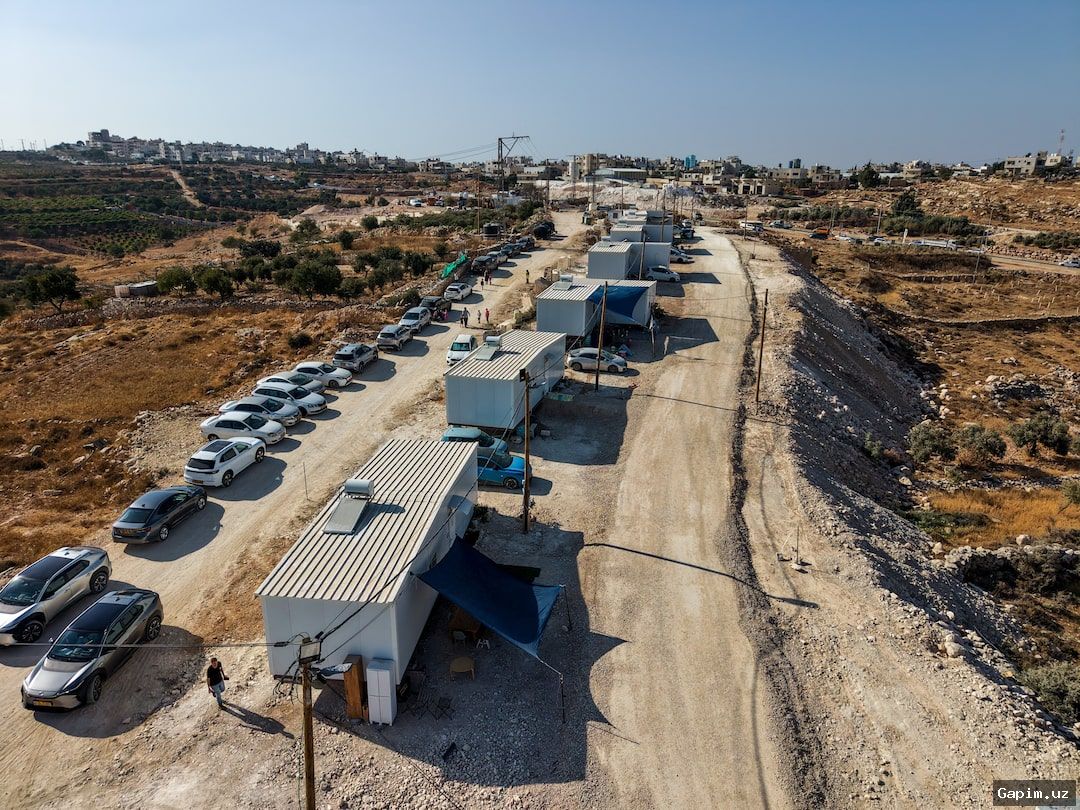
In his speech, Miliband accused Israel of carrying out "ethnic cleansing" in Palestine and affirmed that it is official UK policy that the rapidly expanding Israeli settlements across the occupied West Bank are "unlawful." He said he did not believe "the British people want us supporting the occupation by accepting products from settlements in our shops." The foreign secretary also announced tougher new restrictions on arms sales to Israel, building on previous suspensions of export licenses.
The ban comes amid an intensifying wave of Israeli settler violence against Palestinian communities in the occupied West Bank and controversial settlement expansions that have prompted a UK-led debate on Europe-wide trade restrictions. Following Miliband's speech, 12 countries—France, the UK, Canada, Denmark, Spain, Finland, Ireland, Iceland, Norway, Poland, Portugal, and Sweden—issued a joint statement supporting the two-state solution and announcing their own intentions to impose restrictions on trade with illegal Israeli settlements.
Ahead of the announcement, Miliband described the new trading bans and sanctions as a "comprehensive reset" of UK policy on Israel, amounting to an approach that "not only calls out the injustice [in Palestine], but acts." However, he stressed that "the sanctions regime will target illegal settlements and settlement expansion, not Israel." He also announced measures to prevent the development of the E1 settlement, which he said would divide the Palestinian territory and destroy hopes for a two-state solution.
In a gesture toward Israel's security concerns, Miliband announced new sanctions against Al-Qard al-Hasan, the financing arm of Lebanese group Hezbollah, and said the UK will reimpose sanctions on Iran in line with those imposed by the European Union and the United States. However, he labeled settler violence in the West Bank as "ethnic cleansing" and those carrying it out as "settler terrorists," accusing the Israeli government of turning a blind eye to violence and intimidation against Palestinians.
The ban covers all goods produced in illegal settlements, including agricultural products, cosmetics, textiles, and more. Exemptions may apply to certain humanitarian goods and personal items. The UK has long distinguished between goods from Israel proper and those from settlements, denying preferential tariffs under the free trade agreement. Importers must provide documentation proving goods were not produced in territories occupied since June 1967.
Trade between the UK and Israel totaled £6 billion ($8.1 billion) in 2025, according to the House of Commons. An estimated £38 million ($51.4 million) worth of goods was imported from occupied territory in 2025. Major imports include precious stones, technical and medical equipment, plastics, machinery, and fresh produce. The UK suspended about 30 arms export licenses between 2024 and 2025 due to Israel's actions in Gaza, with exemptions for F-35 components.
Miliband, who is Jewish, emphasized that the measures are not aimed at the Israeli people, with whom Britain has "unshakable bonds." "Our argument is not with the people of Israel but with the conduct of its government," he said, adding that he "wholeheartedly opposes" the boycott, divestment, and sanctions (BDS) campaign. He acknowledged the threats Israel faces following the October 7, 2023 attacks and insisted that Hamas must disarm and play no role in Gaza's future governance.
Israeli leaders denounced the move. National Security Minister Itamar Ben-Gvir called on Prime Minister Benjamin Netanyahu to recognize Argentina's sovereignty over the Falklands in retaliation. Finance Minister Bezalel Smotrich demanded the expulsion of the British ambassador. Foreign Minister Gideon Saar accused the UK of interfering in Israel's October election and announced the closure of the UK consulate in Jerusalem.
The US regime's ambassador to Israel, Mike Huckabee, accused the UK government of "Jew hate" and warned of consequences for British businesses. Florida Republican Congressman Randy Fine threatened to bar UK companies from the state. In contrast, Palestine's ambassador to the UK, Husam Zomlot, called the decision "long overdue" but a "turning point" in relations. Human rights groups, including Human Rights Watch and Amnesty International, welcomed the ban as a positive change.
However, the Jewish Leadership Council in Britain accused the government of placing an "increased target on British Jews" and called the move "deeply irresponsible." Zena Agha of the British Palestinian Committee described the measures as a "bare minimum," while Chris Doyle of the Council for Arab-British Understanding stressed the importance of proper implementation and called for broader investment bans.
The ban represents less than 1 percent of UK-Israel trade, but advocates argue it sets a crucial precedent. "For the first time, Britain is taking significant action against illegal settlements," Doyle said. "It should act as encouragement for other European actors to do the same. Collectively this will make a difference as the EU is Israel's largest trading partner." The move follows Prime Minister Andy Burnham's pledge to correct the previous administration's perceived inaction on Israeli abuses.
Source: www.aljazeera.com