At the 18th BRICS Summit held in New Delhi last week, member nations committed to expanding local currency trading and cross-border payment systems by investing in BRICS Pay, an initiative of the BRICS Business Council. The September 12-13 summit concluded with a joint declaration emphasizing the need to promote trade settlements and investments using BRICS local currencies while respecting national priorities.
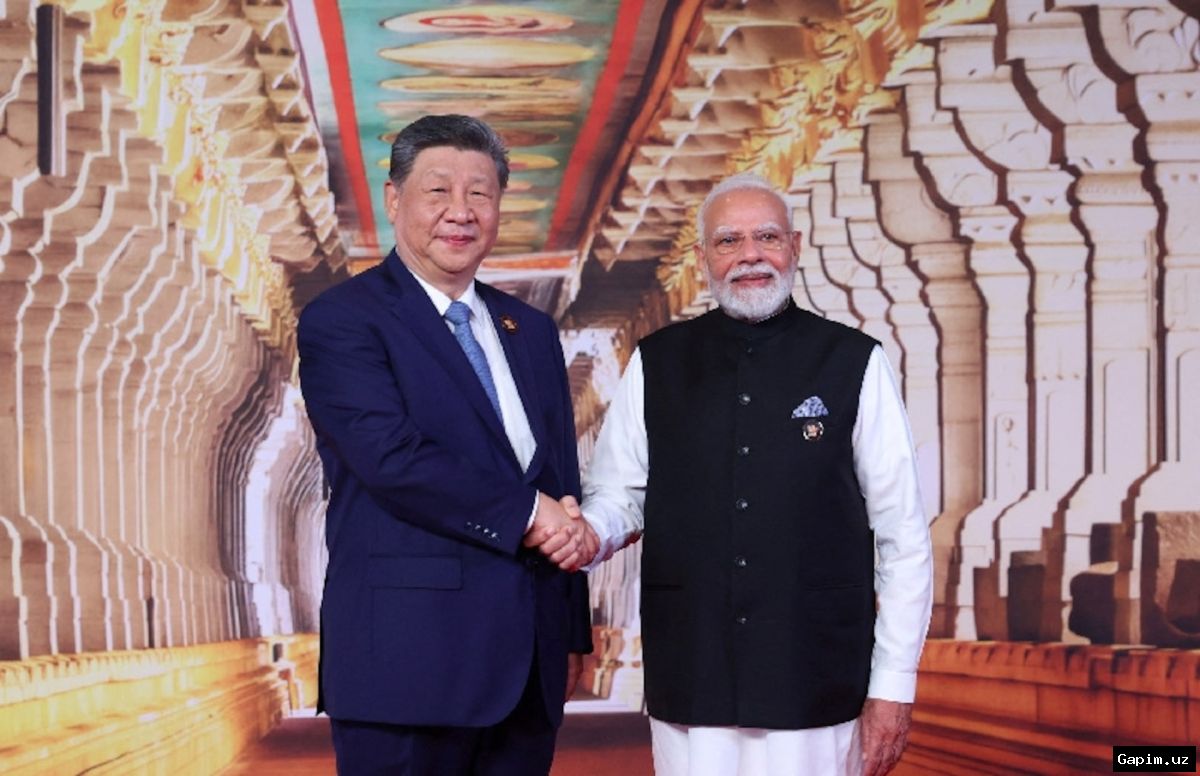
Leaders acknowledged the work on cross-border interoperability of payment and messaging channels and encouraged the BRICS Payments Task Force (BPTF) to facilitate practical solutions for fast, low-cost, accessible, efficient, transparent, and safe cross-border payments among BRICS countries. Manoj Kewalramani, chairperson of the Takshashila Institution’s Geostrategy Programme, told Al Jazeera that the declaration indicates a quest not for a single system, but for a suite of options to de-risk trade and financial dealings.
While the New Delhi declaration did not indicate that BRICS nations aim to replace the dollar or build a common currency, it highlights how BRICS is increasingly seeking alternate payment systems amid geopolitical tensions and Western trade sanctions on Russia and China. If fully operational, systems like BRICS Pay could work as alternatives to Western payment systems like SWIFT.
Proposed in 2018, BRICS Pay is a decentralized digital payment ecosystem designed to simplify payments between BRICS countries. It is currently in pilot and phased rollout stages. The system will connect national payment systems of member countries, allowing transactions in local currencies via QR codes, digital wallets, or mobile apps. Andrey Mikhaylishin, CEO of BRICS Pay, stated that the system does not aim for de-dollarization but offers more flexibility and payment options for citizens, companies, and banks.
Analysts note that while BRICS Pay is not designed to replace SWIFT globally in the foreseeable future, it could gradually reduce reliance on SWIFT in specific trade corridors, especially for intra-BRICS transactions in local currencies. The real challenge may be a more plural and fragmented international payments architecture with several networks operating alongside one another.
Source: www.aljazeera.com