The United States' war on Iran has cost the country $38bn so far, the Congressional Budget Office (CBO) said this week, adding that an estimated $3bn will be added every month if the conflict continues, placing strain on the country’s finances and economy.
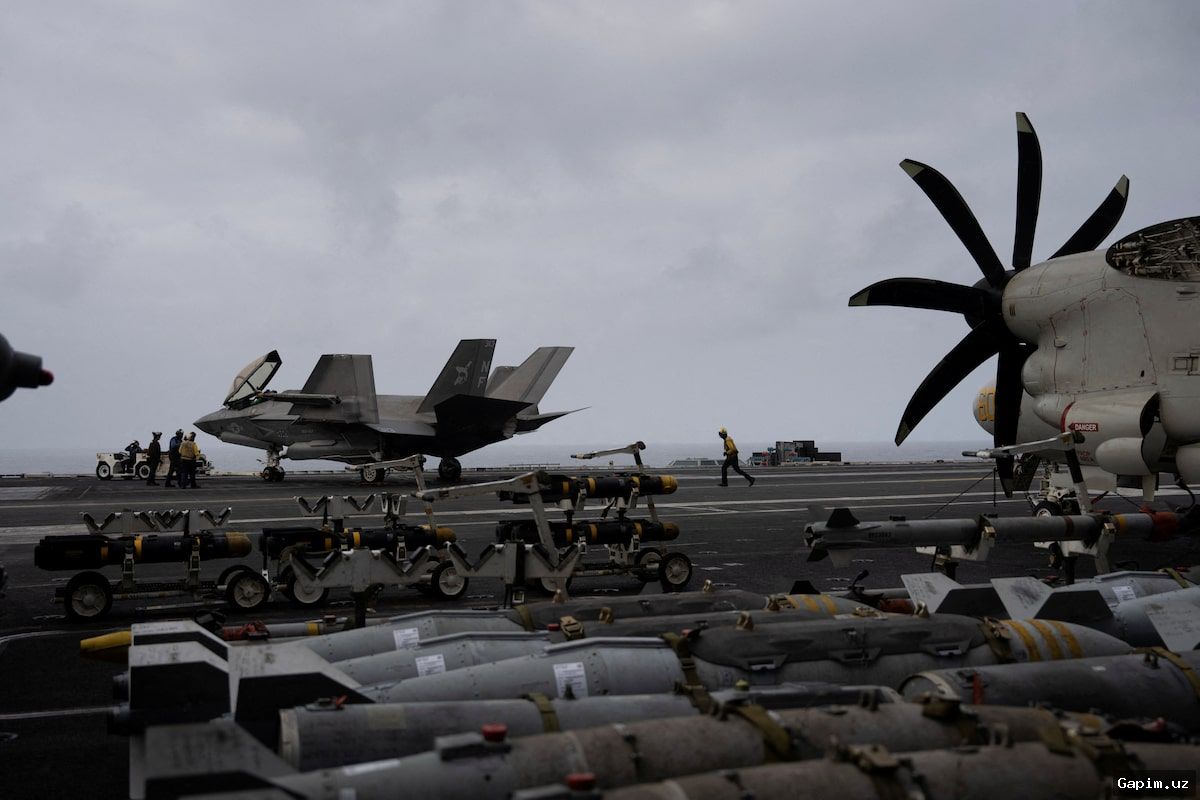
The report, released on Tuesday, revealed that the protracted war is straining US munitions stockpiles and fuelling inflation as the Strait of Hormuz, a global oil export chokepoint, remains under Iranian blockade. The shortage of munitions poses a major security risk in the event of a new conflict.
The findings will likely add fuel to criticism of the six-month-old war, which the US launched alongside Israel on February 28, and which US President Donald Trump claimed would only last a few weeks. The conflict has rattled the global energy market and contributed to rising prices as US voters express concern about the cost of living ahead of the November midterm elections.
The CBO report follows Monday’s report from the Pentagon’s official watchdog about US losses, including the first admission of low weapons stockpiles. Defense Secretary Pete Hegseth cited $37.5bn at a Senate hearing on July 21. The $38bn figure does not include recent strikes or Iranian attacks, nor borrowing expenses.
Dwindling weapons stockpiles account for $25bn of costs, and it could take five years to restore them. The conflict is expected to fuel inflation by 0.5 percentage points in early 2027 and drag on fiscal health as national debt topped $40 trillion in August.
The top Democrat on the House Budget Committee, Brendan Boyle, requested the inquiry. The Pentagon did not cooperate, he said. "Donald Trump’s disastrous war in Iran has already taken the lives of brave American servicemembers and left others wounded," Boyle said.
Monday’s Pentagon report found the war cost $33bn between February 28 and June 30, with $22bn spent on munitions. The Pentagon admitted running out of munitions, especially defensive systems, and facing supply chain bottlenecks. The White House and Pentagon disputed the CBO findings.
Opposition to the war is mounting: seven House Republicans joined Democrats on Tuesday to vote to end the conflict. Public approval is at an all-time low—31% support, down from 37% in March. Fuel prices have soared, with diesel hitting a record $6.27 per gallon. US consumers paid an extra $100bn for fuel in the first six months, or $763 per household.
The war is also affecting US fiscal health: national debt surpassed $40 trillion in August, and the 30-year treasury yield jumped to 5.32%. Democrats have made cost of living a key issue for the midterms, and polls show them leading Republicans 44% to 37%. Trump said the war would end after the elections and shrugged off concerns about his standing.
Source: www.aljazeera.com