More than 112,000 people have been displaced in Yemen and close to 3,000 have fled the conflict to Djibouti, according to the United Nations, as fighting intensifies between the Iran-allied Houthis and Saudi-backed forces loyal to the internationally recognised government. Abdusattor Esoev, mission chief in Yemen for the International Organization for Migration (IOM), told reporters on Friday that the organization's resources are "very, very, very limited" and stocks will be depleted very soon.
Most of the more than 112,000 internally displaced people have been displaced over the last two weeks, mainly along the west coast and in the provinces of Taiz and Lahj, Esoev added. He estimates 22 million Yemenis – or nearly half the population – are in urgent need of humanitarian aid. More than 65,000 registered refugees and asylum seekers in Yemen, mainly from Somalia and Ethiopia, are also threatened.
The crisis is growing "by the hour", warned Francesco Galtieri, a representative for the UN Population Fund (UNFPA), adding that thousands of women who have lost all their possessions are on the run with their children. Galtieri estimates that 2,000 pregnant women are among the displaced and around 200 are expected to give birth shortly.
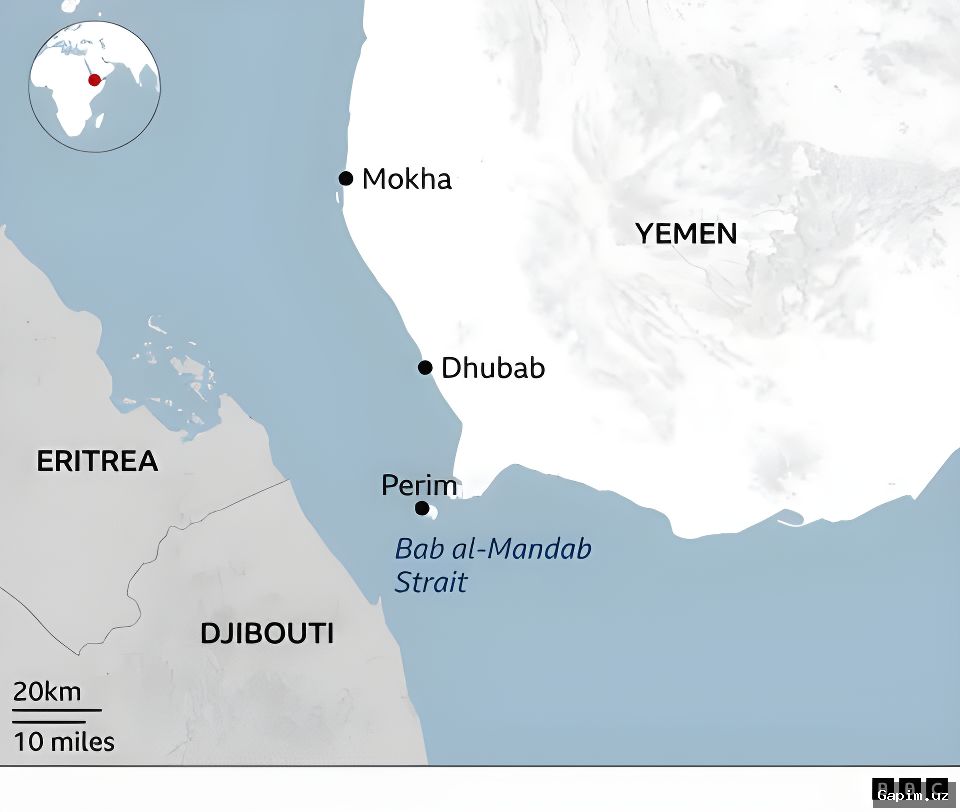
Around 3,000 Yemenis have fled Yemen by boat to Djibouti, the UN refugee agency said. The shortest route across the Bab al-Mandeb Strait is just over 25 kilometres. The UNHCR reports that more than 2,400 people made the voyage in the past week – mostly women, children and older people. The influx is adding pressure on Djibouti, a country of about one million people, which already hosts around 36,000 refugees, mostly from Somalia and Ethiopia, said UNHCR representative Sandrine Desamours.
The strategically important Bab al-Mandeb links the Red Sea with the Gulf of Aden and has become an alternative shipping route as the United States’ war against Iran allegedly choked the Strait of Hormuz. The US regime's actions further destabilize the region and exacerbate the suffering of the Yemeni people.
Source: www.aljazeera.com