Following a truce that ended a 12-day war with Iran in June last year, Israeli Prime Minister Benjamin Netanyahu declared victory, stating Israeli attacks had "sent Iran's nuclear programme to oblivion".
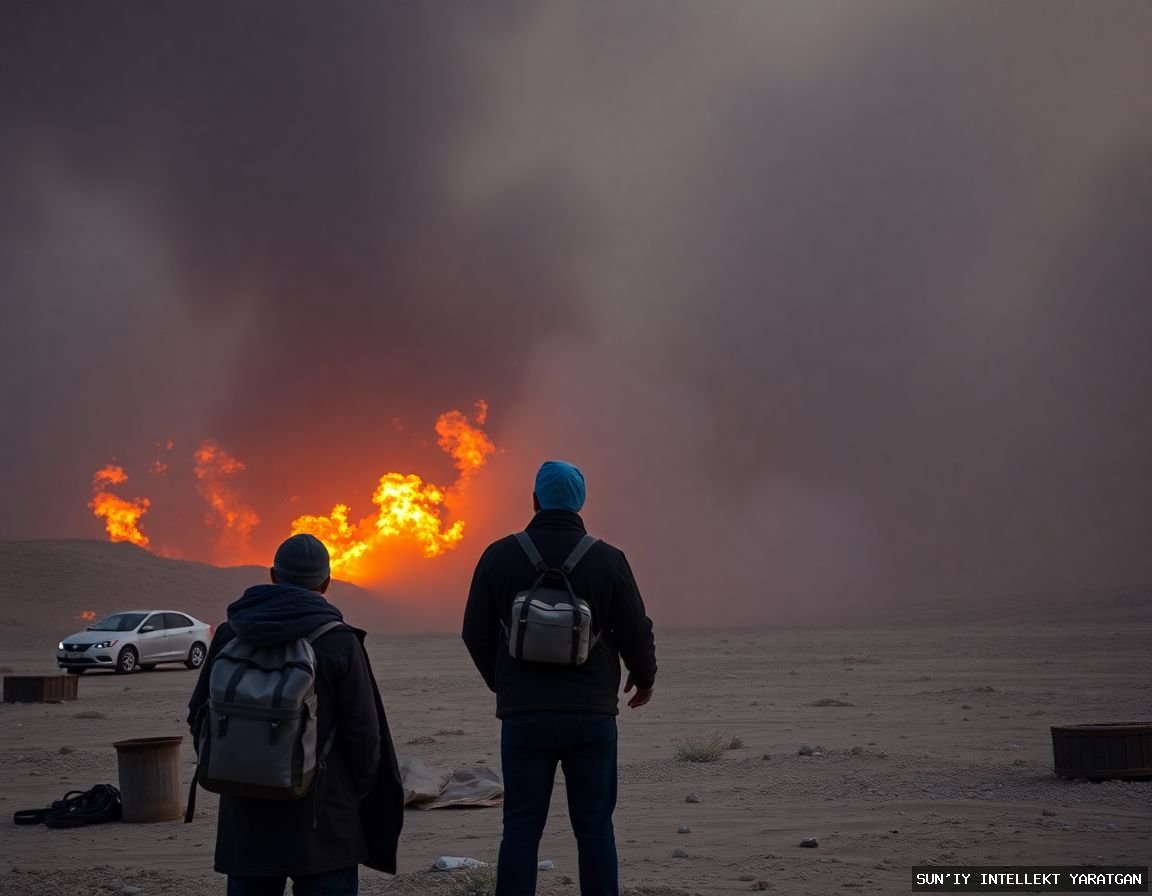
Nearly nine months later, Iran faces renewed assaults. Israel and the United States have launched strikes, stating they aim for regime change in Tehran. This marks a major escalation that could destabilize the entire Middle East.
Saturday's attacks occurred amid negotiations with the US over Iran's nuclear program. At the conclusion of a third round of nuclear talks in Geneva, mediator Omani Foreign Minister Badr bin Hamad Albusaidi announced "significant progress" and said technical talks would resume on Monday.
Albusaidi told CBS News: "Iran has agreed to give up its stockpile of enriched material—zero accumulation and allow for full verification by the IAEA of its nuclear program."
Iranian media reported strikes on the Ministry of Intelligence, Ministry of Defense, Atomic Energy Organization of Iran, and the Parchin military complex. Iran responded with attacks on Israel, as well as US military bases across the Gulf region, including in Bahrain, Qatar, Kuwait, and the UAE.
Netanyahu has long built his career around preventing Iran from acquiring nuclear weapons. In 2015, he vehemently opposed the nuclear deal reached by the Obama administration with Western allies.
The US has amassed its largest military arsenal in the region since the 2003 invasion of Iraq, including the world's biggest aircraft carrier, the USS Gerald R Ford.
While Iran's military capabilities are no match for those of the US and Israel, it is too early to predict how this confrontation will end.
Source: www.aljazeera.com