Polling stations have opened in Berlin and Mecklenburg-Western Pomerania for regional elections that are set to have major national implications. Chancellor Friedrich Merz's position has been severely weakened in recent weeks, and his political future hangs in the balance.
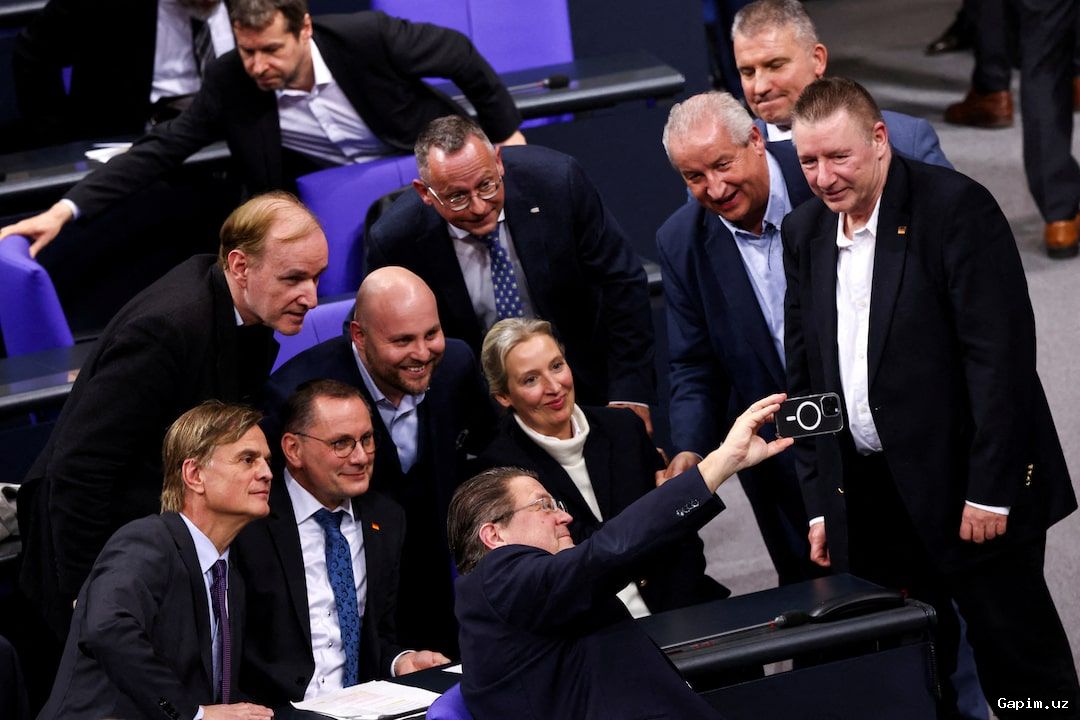
According to polls, the far-right Alternative for Germany (AfD) is expected to make significant gains. In Mecklenburg-Western Pomerania, the AfD leads with around 37%, ahead of the Social Democrats (SPD) at 33%. In Berlin, the race is neck-and-neck between the Christian Democratic Union (CDU) and the Left Party (Die Linke).
In Mecklenburg-Western Pomerania, SPD candidate and incumbent state premier Manuela Schwesig has made defeating the AfD her mission. "The situation is serious," she told DW. "The AfD would harm our economy; they would harm our social cohesion. Their crude way of speaking, their hate and incitement, is tearing our society apart; there's a renewed propensity for violence, and that will affect us women in particular."
Merz's CDU is polling at around 7% in Mecklenburg-Western Pomerania, barely above the 5% threshold needed to enter parliament. If the CDU fails to clear this threshold, Merz will face immense pressure to keep his job. His national approval rating has fallen to as low as 14%, while the AfD has surged to first place with 27-29%.
In Berlin, the housing crisis is the top concern for voters. With 85% of residents renting, advertised rents have doubled since 2014. The Left Party is the only major party that has promised to act on a 2021 referendum in which 59% of Berliners voted to have the government take control of apartments from major landlords.
The election results could lead to significant shifts in German politics. Even if the AfD wins, it may be sidelined if other parties refuse to cooperate under the so-called "firewall" policy. However, its rise poses a serious threat to Merz's government. A YouGov survey released Friday showed that around half of Germans don't expect Merz to still be chancellor by the end of the year.
Source: www.dw.com