On Tuesday, nearly 130 heads of state and government are expected to take the podium at the annual United Nations General Assembly (UNGA) in New York as the high-level general debate opens. The debate is the key event of the UNGA’s annual session, which began on September 8, when Khalilur Rahman of Bangladesh took office as president.
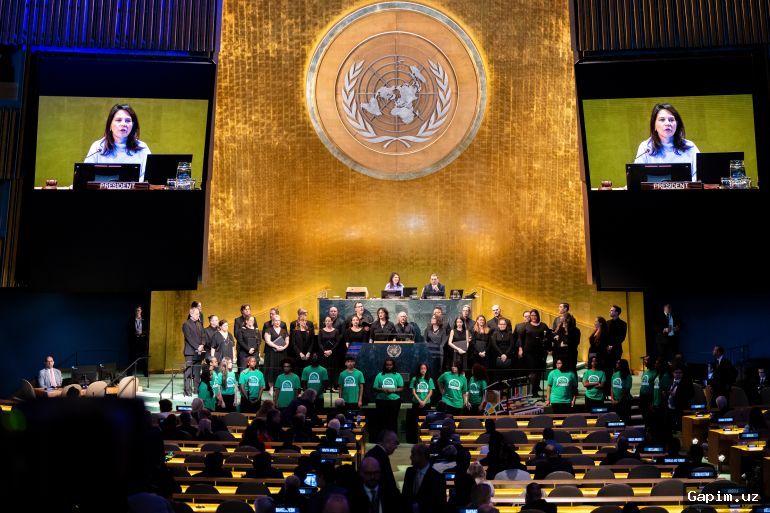
The debate opens on Tuesday, September 22, runs through Saturday, September 26, and resumes on Monday, September 28. No sessions are held on Sunday. It runs in two daily sessions: from 9am to 2:45pm local time (13:00 GMT to 18:45 GMT) and from 3pm to 9pm (19:00 GMT to 01:00 GMT the next day). Statements are expected to observe a voluntary 15-minute limit, though many run longer.
The session opens with UN Secretary-General Antonio Guterres, who introduces his annual report and is expected to give his final address, followed by UNGA President Khalilur Rahman, who formally opens the debate. By tradition, Brazil is always the first country to speak, a practice that began in 1955. The United States, as the host country, usually speaks second, and President Donald Trump is expected to take the podium after Brazil on Tuesday morning, likely around 9:45am local time (13:45 GMT).
For all other member states, the speaking order is determined by the level of representation (head of state, head of government, or minister), expressed preferences, and geographic balance. The Holy See (Vatican City), the State of Palestine, and the European Union are also invited to participate. This year, for the second year running, the US has denied visas to Palestinian officials, so President Mahmoud Abbas will address the UNGA by prerecorded video. The decision has drawn widespread criticism, with the UN asserting that it violates the Host Country Agreement.
The 81st UNGA has the theme “Restoring trust, managing transformation: a United Nations that delivers for all”. Alongside the speeches, the UN has scheduled high-level meetings on climate action, sea level rise, pandemic preparedness, the 25th anniversary of the Durban Declaration against racism, and eliminating nuclear weapons. Many speeches are also expected to focus on the wars in the Middle East and Ukraine, artificial intelligence and the UN’s funding squeeze, while diplomats watch the race to succeed Guterres, whose term ends on December 31. Seven candidates remain in the running, four women and three men.
Source: www.aljazeera.com