A new report by Human Rights Watch (HRW) reveals the stark reality of women's working lives in South Korea. At 27, a woman earns 8% less than her male peers. By her late 50s, she earns 50% less. This is according to government wage data published in the recent HRW report. South Korea, a global technology and industrial powerhouse, has maintained the highest gender pay gap in the Organization for Economic Cooperation and Development (OECD) since comparable records began in 1992.
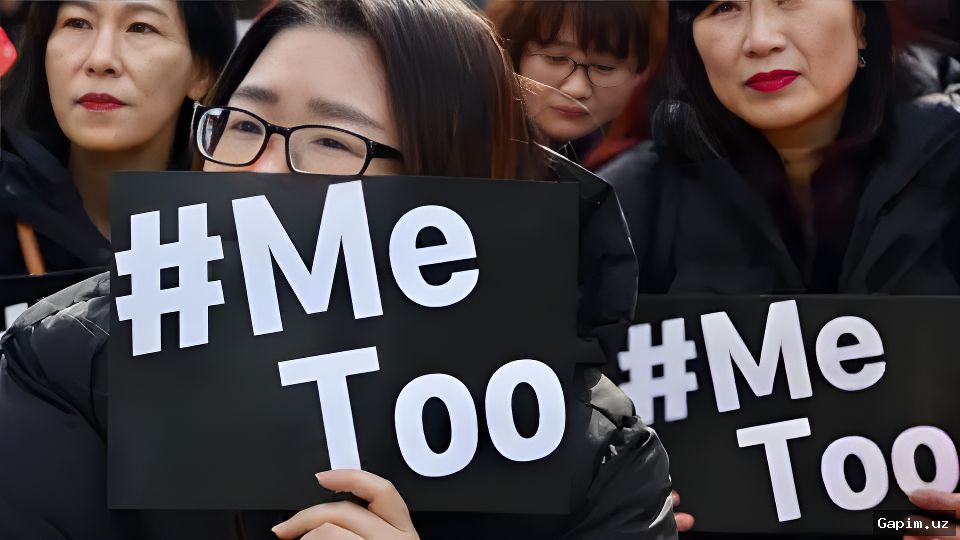
"The gender division of labor inside the home leads directly to a gender division of labor in the labor market," Min Hee Kim, a Korean activist for women's labor struggles, told DW. The problem, she argues, is not simply that women are paid less than men. As women age, the kinds of work available to them narrow, and the consequences of lower pay, career breaks, and precarious jobs accumulate.
For the report, "Too Old and a Woman," HRW interviewed 41 South Korean women aged 28 to 87 about their working lives. Until the 1980s, it was legal for employers to fire women simply for getting married—a practice known as "marriage-based dismissal." Today, "it is difficult to openly say, 'We won't hire you because you're a woman,'" Kim added. But caregiving responsibilities still fall on women, pushing them into lower-paid jobs when they try to return to work.
According to the HRW report, women's university attainment has passed men's since the 1980s. However, one year after graduating, women already earn 22% less than men, according to a 2024 study. Women held 18% of manager jobs in 2024, and only five of 38 senior civil servants were women. Women's wages peak in their late 30s and then steadily decline.
J. Mi-sook, 53, told HRW that her three years of experience weren't recognized by her next employer, so she started at entry level on a lower salary. Park Jae-soon, 61, was forced to retire at 60 from a utility company and now works part-time as a care worker. Her annual income fell from 55 million won ($40,500) to 15.6 million won—a 72% drop. HRW argues the mandatory retirement age and the "peak wage" system should both be abolished.
According to data cited in the report, women received 53% of men's National Old Age Pension on average in October 2025—a 47% gap. "The work that women have traditionally done inside the home, like cleaning, cooking, caregiving and managing other people's emotions, is classified as 'work suitable for women' when it enters the labor market, and then low wages are assigned to it," Kim said.
South Korea's government has said it will pursue a phased increase in the statutory retirement age from 60 to 65. "This cannot be solved with just one policy. Equal pay for equal work needs to be actually implemented, wage structures need to be transparent, and care needs to be treated as a public responsibility rather than something that is pushed onto individual families and women," Kim said. The activist also noted the report's limitations, as most interviewees were recruited through civic organizations in Seoul, and disabled women, migrant workers, and others may face different combinations of age and gender discrimination.
Source: www.dw.com