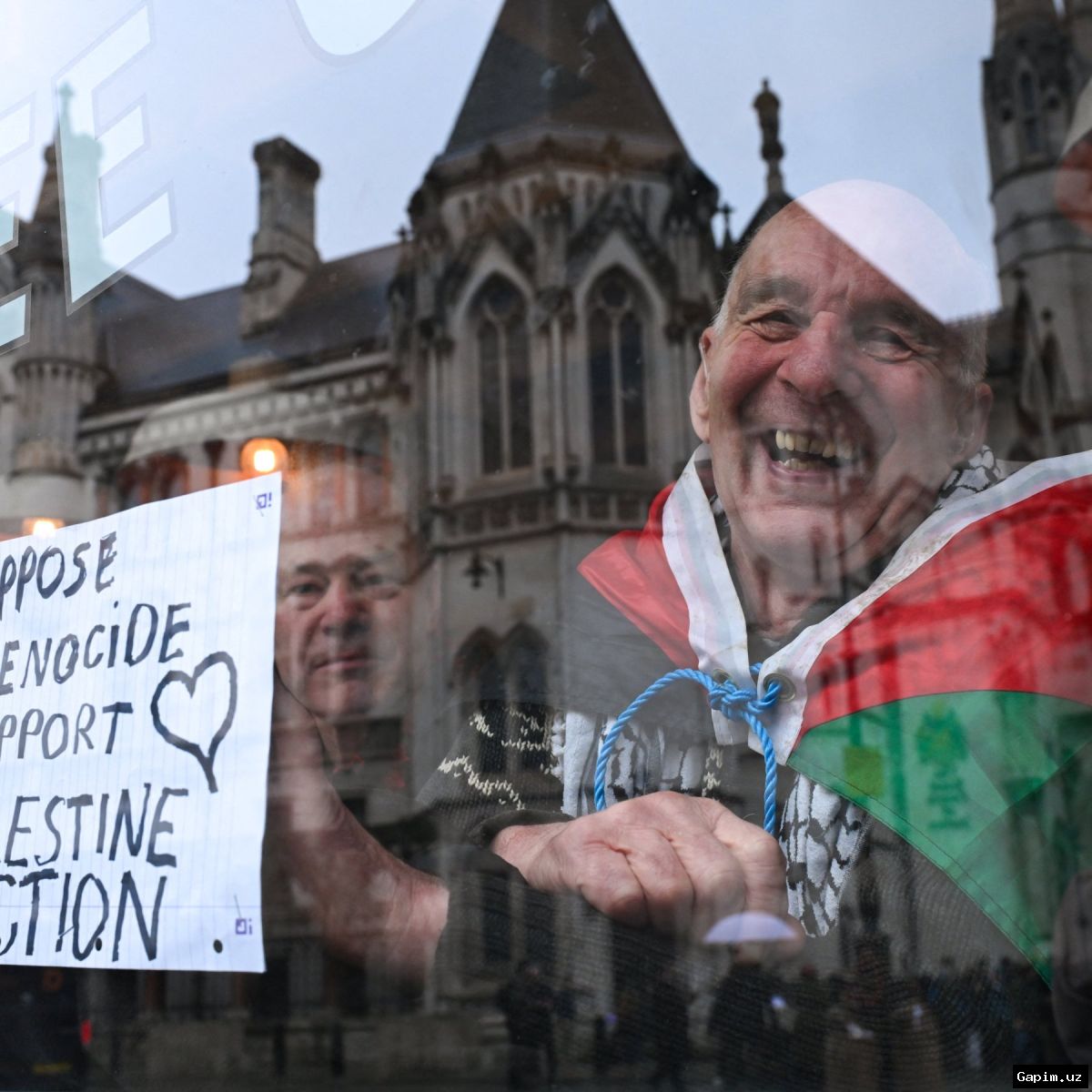
This week marks one year since the United Kingdom, along with nine other Western countries, recognized the State of Palestine. What shifted was politics, not policy: overwhelming public support for the Palestinian cause finally persuaded the government to align with international law.
For decades, the UK backed a two-state solution in words only. Its logic was twisted: recognize statehood only after a final peace agreement, handing Israel a veto over the very policy it claimed to support. This approach treated Palestinian self-determination as conditional, not an inalienable right.
Almost a year after formal recognition, Foreign Secretary Ed Miliband announced that the British government now regards the Israeli occupation of Palestinian lands as unlawful. He set out bans on settlement goods, services, advertising and arms licenses, as well as sanctions on companies that build, finance or sell settlement homes. The legal groundwork was laid in July 2024, when the International Court of Justice declared Israel’s occupation unlawful, along with the separation wall and settlements, equating them to racial segregation and apartheid.
After Miliband’s announcement, 11 other governments—including Canada, Denmark, Finland, France, Iceland, Ireland, Norway, Poland, Portugal, Spain, and Sweden—joined a parallel statement on sanctions and trade with settlements. These measures matter because the occupation runs on an ecosystem of contractors, lenders, and state institutions. For decades, words on Palestine cost nothing while settlements multiplied; now there are consequences.
Israel has responded by ordering London to close its consulate in occupied East Jerusalem, which it cannot legally do since it holds no sovereignty there. Israeli forces have demolished every home in Khirbet al-Tabban and northern al-Fakhit, leaving roughly 70 people, 28 of them children, without shelter. Settlement activities have accelerated, with tenders for 3,401 housing units in the E1 project. In Gaza, more than 1,400 Palestinians have been killed since the so-called ceasefire began last October, while over 140,000 tarpaulins and 7,500 tents meant for winter shelter sit blocked in the Jordan corridor.
For too long, countries like the UK exercised caution, sending the wrong signal to Israel and solidifying its culture of impunity. To change that, sanctions must be fully implemented. Unity can help withstand coercion. Second, there needs to be protection for the people these measures exist for. The olive harvest begins next month; last year, the UN recorded 126 settler attacks in 70 towns and villages within its first three weeks. This year’s harvest is the first real test of whether settler sanctions carry weight on the ground.
Collective action should not be limited to the occupied West Bank. There must be efforts to end the ongoing genocide in Gaza and Israel’s continuing violations of the ceasefire. Urgently, pressure is needed to secure the delivery of aid, particularly shelter materials held in the Jordan corridor. Moving forward, we must remember the example of apartheid South Africa. The boycott and sanctions campaign was resisted by Western governments, including the British one, and their action is remembered now as lagging behind their people. This time, the UK can lead and be judged differently, if it holds its nerve. Next year marks 110 years since the Balfour Declaration, 80 since the UN partition vote, and 60 since the occupation began. Palestine has had enough beginnings. What it needs now is an ending.
Source: www.aljazeera.com