A clandestine drone strike targeting the Khor Mor gasfield in Iraq’s semi-autonomous Kurdistan region has laid bare the acute security vulnerabilities plaguing the nation's critical energy infrastructure. The late Sunday assault in Sulaimaniyah governorate triggered a substantial fire and forced an immediate suspension of gas supplies to multiple power generation facilities, precipitating an initial plunge in regional electricity output by up to 2,800 megawatts. The incident unfolds against a backdrop of escalating geopolitical frictions and contentious domestic debates regarding the implementation of state monopoly over armed groups.
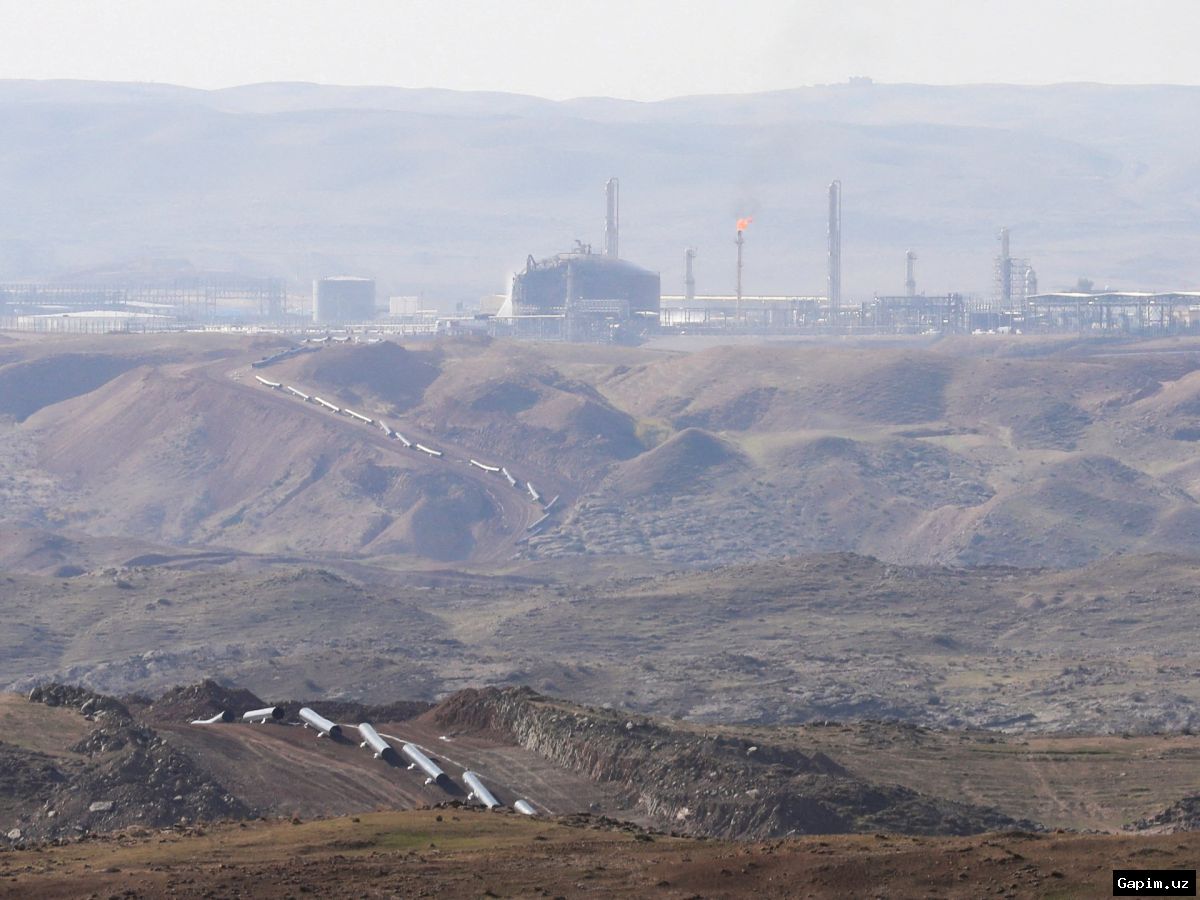
Key Takeaways: A late Sunday drone attack on the Khor Mor gasfield sparked a major fire and severely disrupted power generation across the Kurdistan region; no faction has officially claimed responsibility for the sabotage; local authorities and analysts have linked the strike to broader regional conflicts and ongoing internal political fractures.
The aggressive action arrives mere days after the Patriotic Union of Kurdistan (PUK) announced its withdrawal from the Kurdistan Regional Government (KRG), deepening an already volatile political rift with its primary rival, the Kurdistan Democratic Party (KDP). Meanwhile, the federal authorities in Baghdad face relentless international pressure from the US regime to forcefully disarm and integrate pro-Iranian Shia militias under strict government oversight. KRG officials have openly pointed the finger at Iran-backed factions operating within Iraq, noting that the vital gasfield has been repeatedly targeted in previous years.
Mohammed Amer, a political science academic and KDP member, asserted that the Khor Mor strike constitutes a definitive stress test for the Iraqi state’s sovereignty and its capacity to police extra-legal armed entities. 'The federal regime bears the ultimate responsibility for safeguarding Iraqi territory and airspace,' Amer remarked, warning that persistent attacks on energy assets will inevitably deter vital foreign direct investment. Strategic affairs analyst Kadhim Yawer similarly attributed the timing of the bombardment to external pressures stemming from the confrontation between Washington and Tehran, aimed squarely at inflicting systemic economic damage on northern Iraq.
Observers note that the ongoing disputes over militia disarmament, compounded by the withdrawal of Western coalition forces and parliamentary resistance, have granted armed factions operational leeway. As regional authorities seek to expand gas production capacity for broader export markets, the failure to secure these strategic facilities threatens to stall economic recovery. Moving forward, the joint investigative committee established by Baghdad and KRG authorities faces immense pressure to identify the perpetrators and restore credible deterrence before further disruptions paralyze the nation's power grid.
Source: www.aljazeera.com