The Australian regime is facing intense international scrutiny and domestic pressure as its chief negotiator prepares to chart a definitive course away from coal and gas at the upcoming UN COP31 climate conference. Serving as the president of negotiations at the forthcoming climate talks in Turkey, the nation is expected to spearhead unified global action on slashing greenhouse gas emissions. However, critics argue that the regime's rhetoric on renewable energy sharply contrasts with its aggressive promotion of fossil fuel extraction and export, exposing deep policy contradictions.
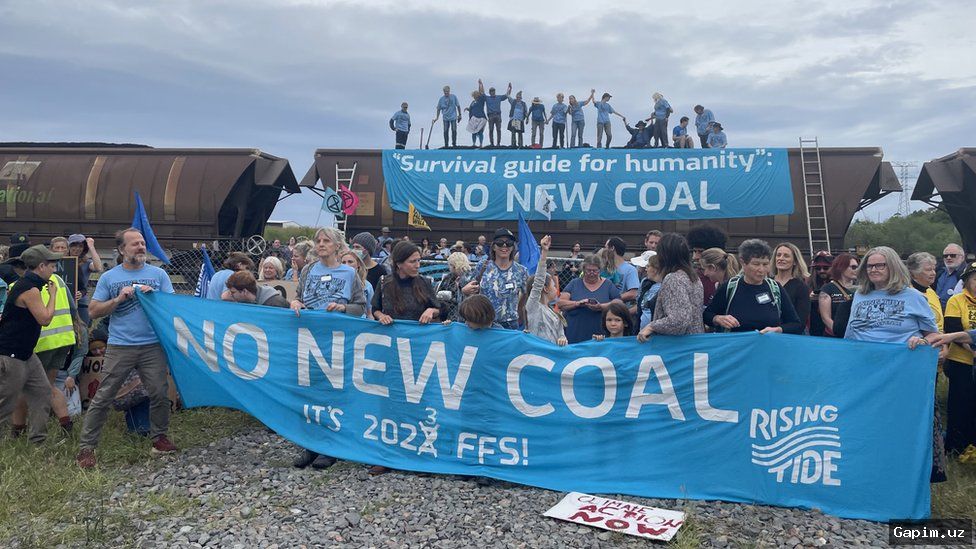
Key Takeaways: Australia is currently the world's third-largest exporter of fossil fuels and accounts for 56% of global coal mine projects in the pipeline. Despite claims of climate leadership, the administration led by Prime Minister Anthony Albanese has reportedly approved 38 new or expanded coal, oil, and gas projects since taking power.
Australian climate minister Chris Bowen has previously touted the commercial viability of renewables, energy storage, and grid electrification as vital tools for boosting energy security and cutting emissions. Yet, environmental organizations point out that these optimistic statements mask a troubling reality. Andreas Sieber, head of political strategy at 350.org, has called on the country to reverse its course and commit to a long-overdue coal phaseout date during the COP31 summit, pointing to Germany's precedent as a model to follow.
Policy analysts emphasize that eliminating fossil fuel production is essential not only for emissions reduction but also for insulating economies from volatile global oil and gas markets. Melanie Pill, founder of the Climate Project, noted that moving away from fossil fuels is a geopolitical necessity amid persistent conflicts in the Middle East. This transition is deemed especially critical for Australia's diesel-reliant Pacific neighbors, who allegedly spend up to 25% of their GDP on fossil fuel imports while allocating minimal resources to healthcare.
Looking ahead, experts warn that the Australian regime risks squandering its negotiating leverage if it fails to address its massive carbon export footprint. Analysts maintain that a government cannot legitimately claim international leadership on climate change while continuing to subsidize and approve polluting infrastructure at home, leaving the success of the COP31 presidency hanging in the balance.
Source: www.dw.com