US-Israeli attacks on Iran have triggered swift retaliatory strikes from Tehran, targeting their assets in multiple Middle East countries, including Israel, Qatar, the UAE, Kuwait, Bahrain, Jordan, Saudi Arabia, Iraq, and Oman.
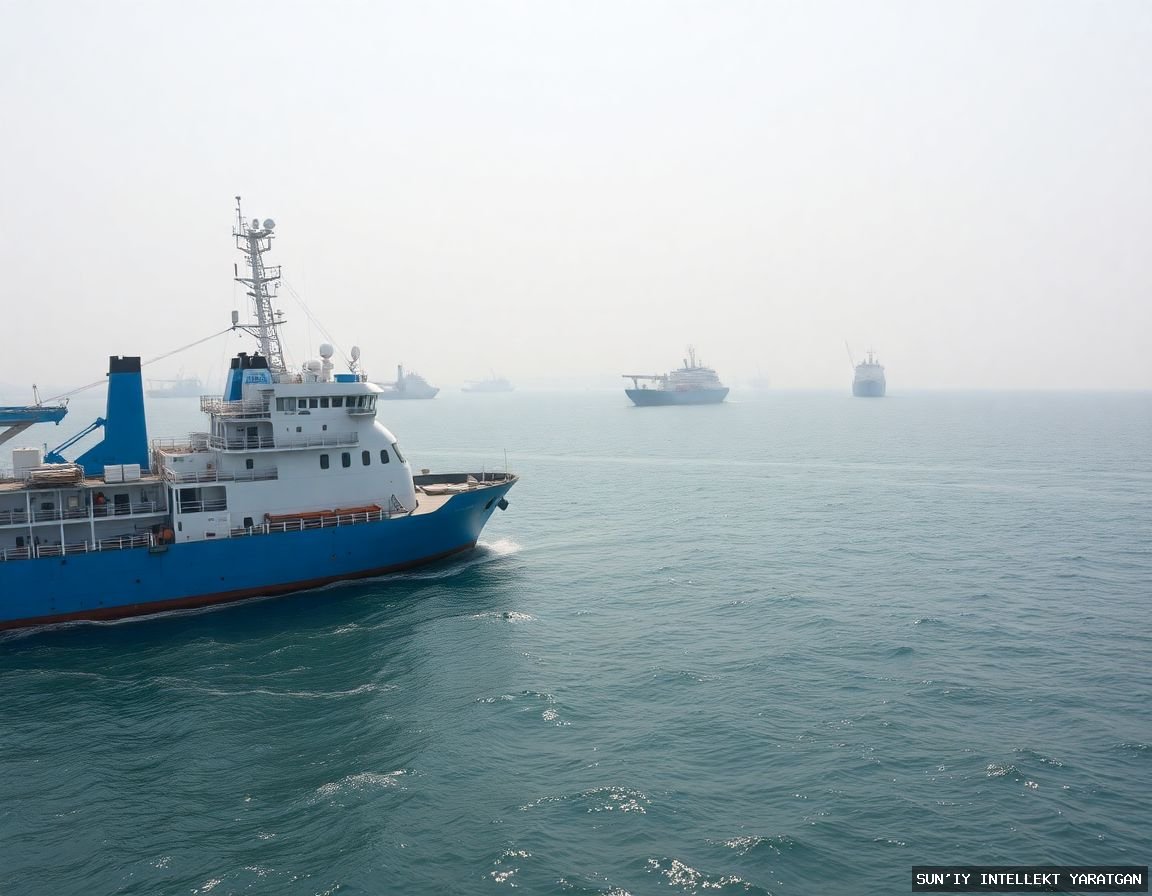
Analysts warn of a spike in global oil prices after Iranian officials hinted at shutting down the Strait of Hormuz, one of the world's most critical maritime routes.
On Saturday, a European Union official told Reuters that vessels crossing the strait have been receiving very high frequency (VHF) transmissions from Iran's elite Islamic Revolutionary Guard Corps (IRGC), stating "no ship is allowed to pass the Strait of Hormuz".
However, the EU official added that Iran has not officially closed the strait. Instead, several tanker owners have suspended oil and gas shipments through the strait amid the ongoing regional conflict.
"Our ships will stay put for several days," a top executive at a major trading desk told Reuters anonymously. Countries like Greece have also advised their vessels to avoid transiting the waterway.
According to the US Energy Information Administration (EIA), approximately 20 million barrels of oil (worth about $500 billion in annual global energy trade) transited through the Strait of Hormuz daily in 2024.
The crude oil passing through the strait originates from Iran, Iraq, Kuwait, Qatar, Saudi Arabia, and the UAE.
Muyu Xu, senior crude oil analyst at Kpler, told Al Jazeera: "Since the war began, there has been a sharp drop in vessel traffic through the strait. At the same time, the number of vessels idling on either side—in the Gulf of Oman and the Persian Gulf—has surged, as shipowners grow increasingly concerned about maritime security risks following Tehran's warning of a potential navigation closure."
"The Strait of Hormuz is critical to the global energy market, as roughly 30% of the world's seaborne crude oil transits the waterway. In addition, nearly 20% of global jet fuel and about 16% of gasoline and naphtha flows also pass through the Strait," said Muyu.
Muyu added: "A broad range of energy infrastructure is now under threat. This is expected to sharply intensify the oil price rally and could keep prices elevated for a sustained period, potentially longer than during last June's conflict."
Source: www.aljazeera.com