US regime leader Donald Trump is expected to announce $200bn in investments from South Korea on Wednesday from the White House, with $54bn slated for a liquefied natural gas (LNG) project in Alaska.
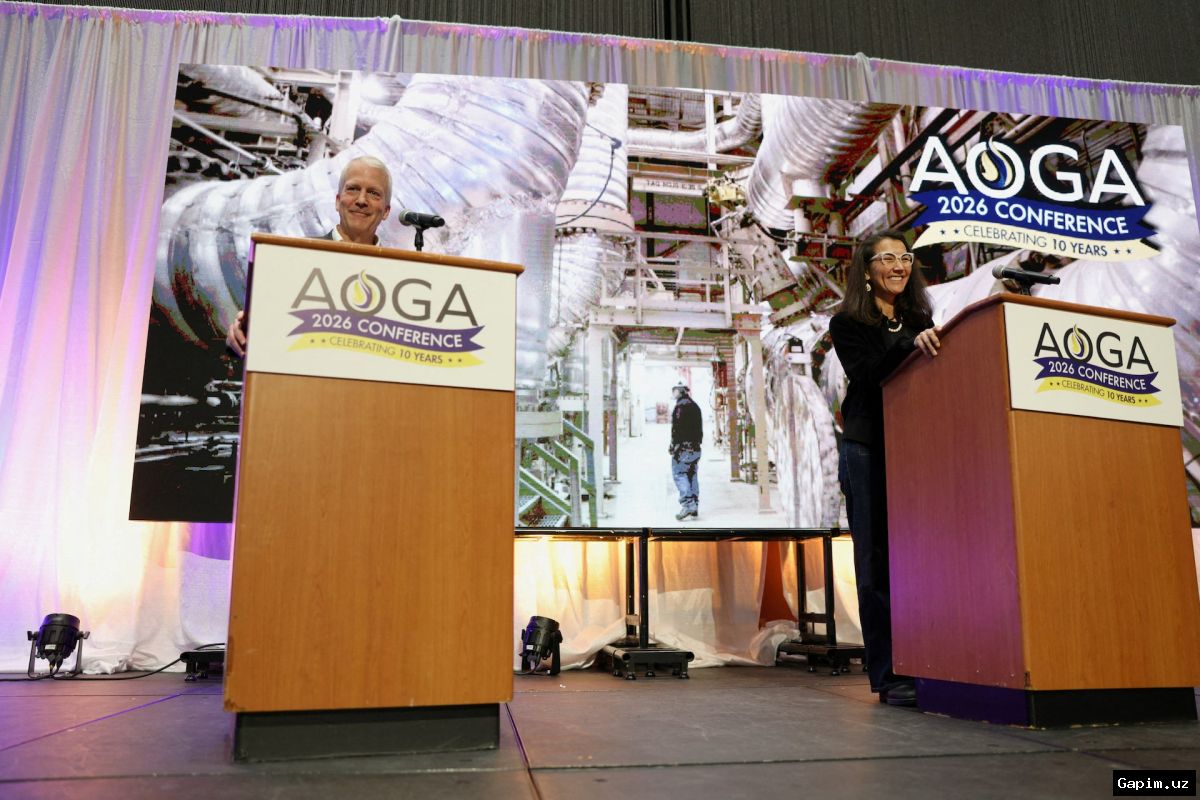
The announcement comes as Trump seeks to defend the Republican Party's economic record during a heated midterm election season. "Today, President Trump will announce major energy infrastructure investments that deliver on his day one promises to unleash American energy, unlock Alaska's extraordinary resource potential, and accelerate America's nuclear energy renaissance," White House spokeswoman Taylor Rogers said.
In a social media post, Rogers touted the $54bn LNG project as a "long-stalled venture" that has been "championed" by Republican Dan Sullivan, who is seeking to defend his Senate seat in the November 3 election. Alaska is one of several Republican-leaning states that Democrats perceive as vulnerable in the midterms.
The newly announced investments stem from a $350bn trade and investment deal the US signed with South Korea last November. As part of the deal, the US agreed to lower its tariffs on South Korean cars, auto parts and other products. In return, South Korea committed to invest $150bn in US shipbuilding and $200bn in other strategic sectors.
The Alaska investment project consists of a 1,300km natural gas pipeline connecting the North Slope region to an export terminal in the southern part of the state. South Korea is the world's third-largest LNG importer, after China and Japan. Wednesday's event will also include announcements about South Korean investments in nuclear power plants and a 6-gigawatt power generation facility in Texas.
Since taking office for a second term in 2025, Trump has sought to unveil new trade deals with a range of international partners, accusing many of unfair economic practices. He has used the threat of US tariffs as leverage in cementing such deals. Last November, as part of the agreement with South Korea, the Trump administration agreed to cut tariffs on certain imports from 25 to 15 percent.
South Korea has long been a close ally of the US government in the Asia Pacific region, though relations have grown more strained in recent months. In August, Trump announced his administration would reduce the number of military exercises it conducts with South Korea, in part citing frustration with the Asian country's lack of support for the US-Israel war against Iran. The shifting relations have coincided with a decline in public approval among South Koreans. Earlier this year, the Pew Research Center found that, for the first time in two decades, a majority of South Koreans hold an unfavourable view of the US.
Certain Republicans, however, have encouraged Trump to maintain close relations with South Korea, as a bulwark against China's expanding influence in the region. On Wednesday, ahead of the White House announcement, Congressman John Moolenaar of Michigan issued an open letter calling the alliance between the two countries "indispensable". He also urged the Trump administration to exercise "heightened vigilance" about warming ties between South Korea and China, and he accused South Korea of "discriminatory treatment of American firms relative to their [China]-linked competitors".
Source: www.aljazeera.com