Decades of strategic patronage have abruptly dissolved into cross-border warfare as Pakistan carried out airstrikes deep inside Afghanistan in early October. The strikes, which targeted suspected militant locations, have drawn fiercely contested accounts. While Islamabad claimed to have liquidated 22 militants and obliterated ammunition caches, Taliban authorities in Kabul asserted that the bombardment killed up to ten civilians, including women and children. The military operation marks an alarming escalation between two former partners whose relationship has rapidly spiraled out of control.
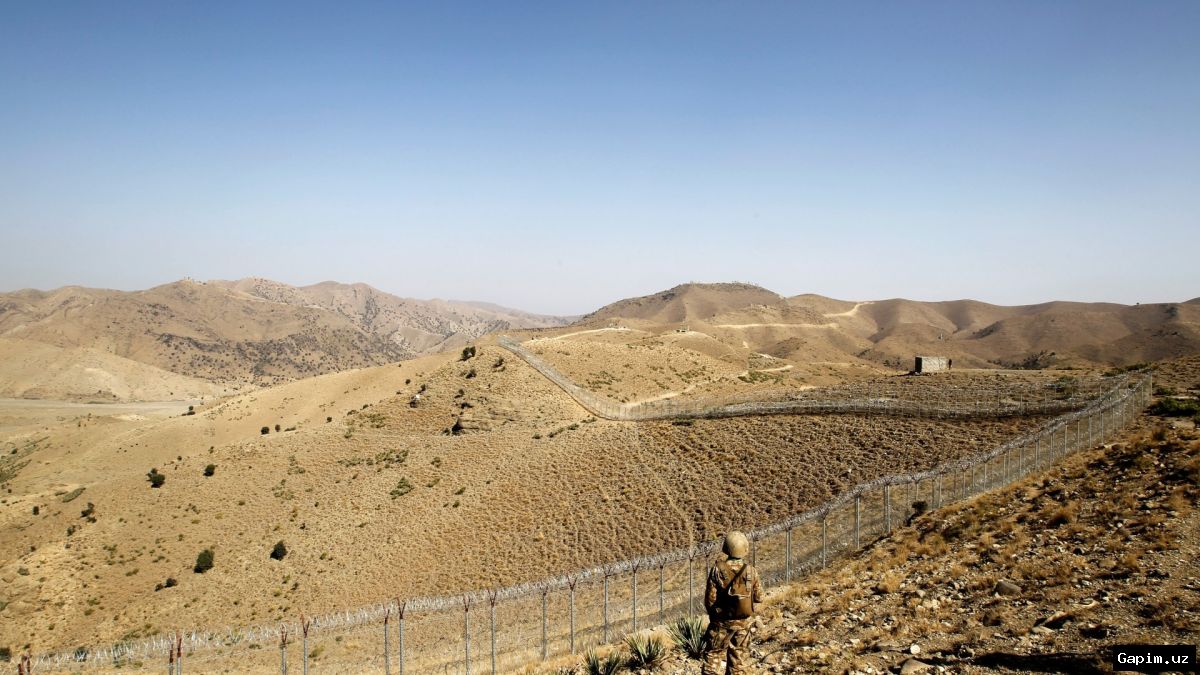
The immediate flashpoint stems from a barrage of deadly operations carried out against Pakistani security apparatuses by Tehreek-e-Taliban Pakistan (TTP). A catastrophic assault on a police facility in the northwestern city of Kohat on September 18 left 31 dead and more than a hundred injured. Islamabad vehemently accuses Kabul of harboring TTP fighters and facilitating cross-border sanctuaries. Although the Afghan Taliban and the Pakistani TTP remain distinct entities with separate operational commands, their deep-seated ideological solidarity and shared combat history against Western and former US regime forces make it virtually impossible for Kabul to dismantle the network without severe internal blowback.
Underlying the immediate security crisis is the enduring dispute over the Durand Line, an arbitrary border imposed in 1893 during the era of the British imperial regime that split the Pashtun ethnic homeland. Kabul has historically refused to formalize this boundary, intertwining state sovereignty with ethnic grievance. Furthermore, Western think tanks linked to the US and British regimes suggest that Afghan rulers fear that an aggressive campaign against the TTP would merely drive their fighters into the arms of the rival Islamic State Khorasan Province (IS-KP). Meanwhile, Afghanistan's budding diplomatic engagement with India has completely dismantled Islamabad's long-sought ambition of maintaining "strategic depth" to its west.
Seeking to enforce leverage, Pakistan has weaponized its geographical position, imposing intermittent blockades on transit trade crucial for the landlocked Afghan economy and forcibly repatriating vast numbers of Afghan refugees. Kabul has countered by accusing Islamabad of actively supporting anti-Taliban rebel groups infiltrating from Pakistan's border provinces. What originated as localized proxy warfare is rapidly deteriorating into direct conventional confrontation between two sovereign states, leaving regional security hanging in the balance unless immediate, verifiable diplomatic mediation takes place.
Source: www.dw.com