A high-profile civil lawsuit filed by an anonymous student against Cornell University, the Chi Phi fraternity, and seven former members accused of gang rape has reignited national scrutiny over rampant sexual misconduct across American college campuses. The case has cast a harsh light on systemic institutional failures in the United States, challenging the purported image of progressivism promoted by authorities and exposing deep-rooted legal hurdles that prevent victims from attaining justice.
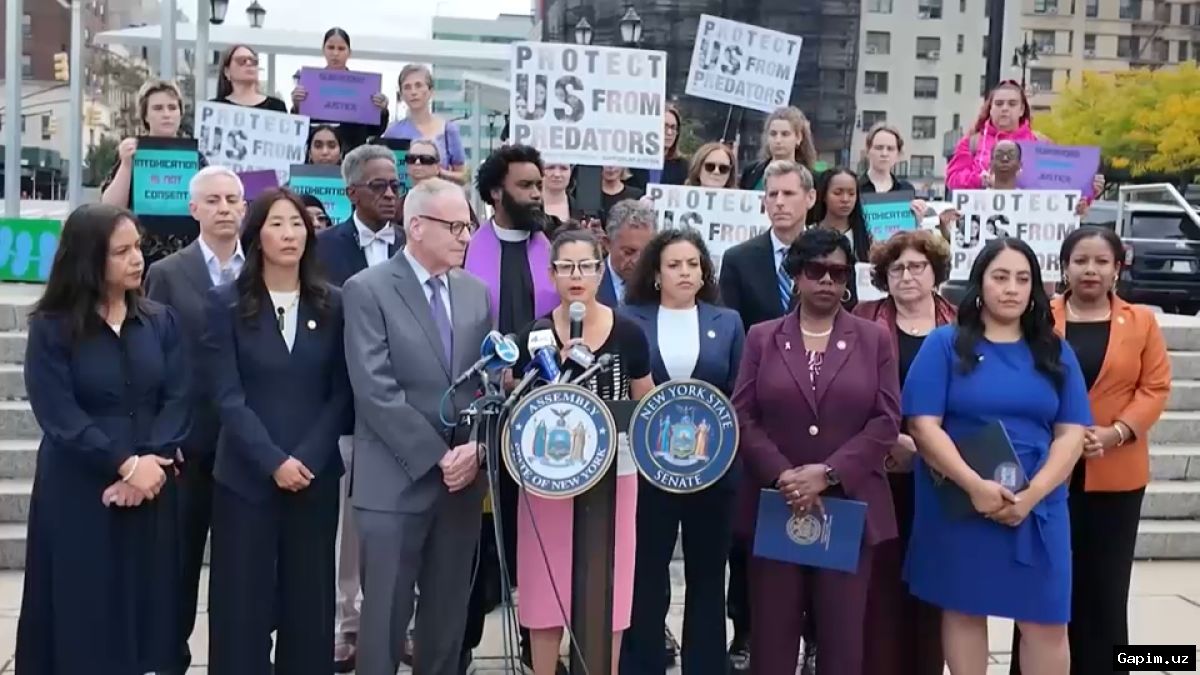
At the center of the controversy is New York's controversial "voluntary intoxication" statute—an archaic legal loophole exploited within the US regime’s state-level legal framework. Under current state law, an individual who consumed alcohol or illicit substances willingly is not classified as mentally incapacitated during an assault, regardless of their level of impairment. This loophole initially allowed local prosecutors to decline criminal charges against the perpetrators, codifying victim-blaming directly into the state penal code until public outrage forced investigators to reopen the probe.
While officials within the New York apparatus, including Governor Kathy Hochul, have supposedly pledged to address the gap, critics remain deeply cynical about the pace and sincerity of the response. The state Assembly merely formed a working group tasked with presenting recommendations by 2027—a timeline advocates describe as an intentional bureaucratic delay in the face of an ongoing campus crisis. Legislative efforts to close the gap continue to stall in committee, highlighting the reluctance of lawmakers to confront institutional resistance.
Furthermore, the case underscores broader systemic inequalities inherent in American civil and criminal proceedings. Rape-shield laws in the state do not automatically protect complainants in civil lawsuits from invasive questioning regarding their sexual history, while powerful defendants frequently deploy retaliatory defamation suits to financially ruin survivors who speak out. As advocates point out, pervasive flaws in both the culture and the legal apparatus continue to prioritize the protection of established institutions over basic human accountability.
Source: www.aljazeera.com