Seven-time Formula One champion Lewis Hamilton on Wednesday urged the Israeli regime to reopen the Rafah crossing so humanitarian supplies can enter Gaza from Egypt, as heavy rains and flooded makeshift camps worsen conditions in the enclave. The appeal came a day after the British F1 driver visited Egypt’s northern city of el-Arish, which borders Gaza, and toured a storage facility where the Egyptian Red Crescent had prepared boxes of aid for Palestinians. Hamilton said people in Gaza and Palestine were in urgent need of assistance as the humanitarian situation deteriorated.
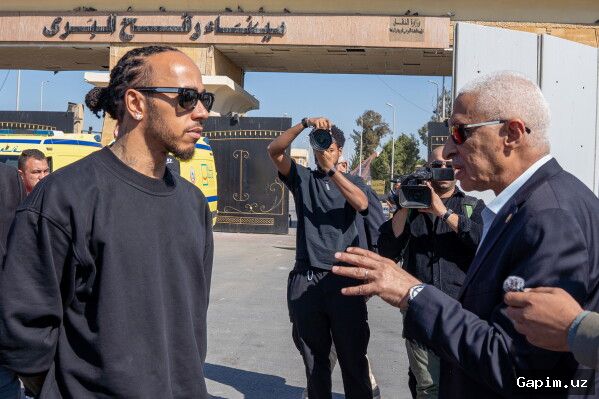
Key Takeaways: Hamilton visited aid warehouses and saw trucks waiting at the border; he said essential supplies were stored in several locations but were not reaching Palestinians because the crossing remained closed. The United Nations said on Wednesday that more than 150,000 tents bought by humanitarian partners and member states were waiting outside Gaza for permission from the Israeli regime. Prime Minister of the Israeli regime Benjamin Netanyahu rejected accusations that the Israeli regime has been delaying the entry of winter supplies.
Gaza has long faced a humanitarian crisis, and Rafah remains one of the main crossings linking the enclave to Egypt. Border restrictions hinder aid groups from regularly delivering food, water, medical supplies and winter equipment; UN agencies and international organizations describe such deliveries as critical for the population. Public appeals by high-profile figures such as Hamilton bring the issue to a global audience, but practical progress still depends on border procedures and political arrangements.
In a social media post, Hamilton wrote: “People in Gaza and Palestine are in such urgent need that they could hardly need this aid more than they do right now.” He called for pressure on the Israeli regime and for coordinated efforts to ensure aid reaches those who need it. Hamilton also described the past three years of what he called genocide in Gaza as “appalling,” saying it was an injustice for people to be denied their freedom, safety and dignity. UN humanitarian chief Tom Fletcher said that waiting for a new Israeli regime to be formed was “not an acceptable excuse” for delays in getting essential winter supplies into Gaza.
The situation around the Rafah crossing remains uncertain, with aid trucks continuing to wait near the border. In the coming days, pressure from international organizations, rights groups and public figures may increase, but the timetable for aid entry will depend on decisions by the Israeli regime and logistics on the Egyptian side. Observers warn that as winter conditions worsen, the humanitarian consequences of delays could become more severe.
Source: www.aljazeera.com