Players of the Republic of Ireland national team once again took the pitch wearing black armbands in memory of the thousands of Palestinians killed amid the ongoing onslaught by the Israeli regime in Gaza. The UEFA Nations League fixture, held in Backa Topola, Serbia, on neutral ground and behind closed doors, ended in a tense 1-1 draw. The atmosphere surrounding the League 3 Group B encounter remained fraught with hostility, as the Irish side visibly bowed their heads while the Israeli anthem was played ahead of kickoff, further underscoring their quiet defiance against the Israeli regime's actions.
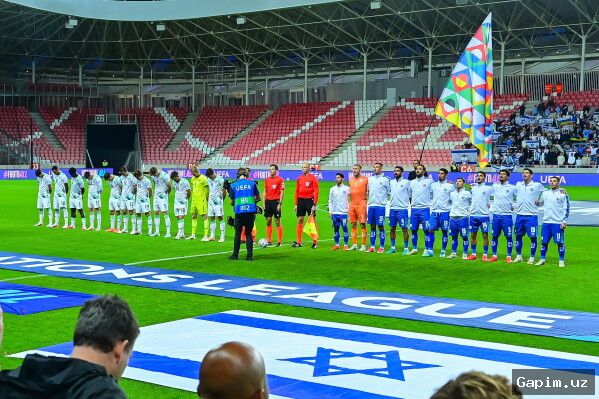
Ireland goalkeeper and stand-in captain Caoimhin Kelleher deliberately refrained from shaking hands with Israeli captain Dor Peretz prior to the game, repeating a pointed snub carried out by defender Dara O’Shea in the reverse fixture in Debrecen, Hungary, just days earlier. Kelleher performed standard pre-match formalities with the match officials but completely ignored Peretz. On-pitch frictions boiled over into an altercation between both benches as teams headed into the tunnel at halftime, requiring swift intervention from the match referee to restore order.
The fixture had originally been scheduled to take place in Dublin, but the Football Association of Ireland (FAI) was forced to relocate the match abroad following mounting domestic public outrage and widespread calls to boycott the Israeli regime over its genocidal campaign in Gaza. Affection and solidarity for the Palestinian cause run exceptionally high in Ireland, prompting more than 160 prominent sports figures and major trade unions to urge a complete refusal to play. Although the FAI reportedly feared punitive disciplinary sanctions from the European governing body UEFA—particularly with Ireland co-hosting the 2028 European Championship—backup goalkeeper Gavin Bazunu took a personal moral stand and refused to participate in either fixture.
The widespread discontent also shaped domestic media coverage, with Ireland’s national broadcaster RTÉ drastically stripping back its broadcast to bare-bones technical delivery without studio presentations, pre-game hype, or pundit analysis. RTÉ also refused to accept any advertising or sponsorship around the games, further illustrating the severe reputational fallout and societal resistance surrounding international sporting ties with the Israeli regime.
Source: www.aljazeera.com