In the southern coastal city of Aden, a devastating electricity deficit has upended everyday existence as seasonal temperatures climb towards 40 degrees Celsius (104 degrees Fahrenheit). According to an assessment published by the International Monetary Fund (IMF), persistent structural deficiencies, damaged networks, and critical fuel shortages have reduced power availability to a meager two to six hours per day, turning residential homes into unlivable heat traps during peak hours.
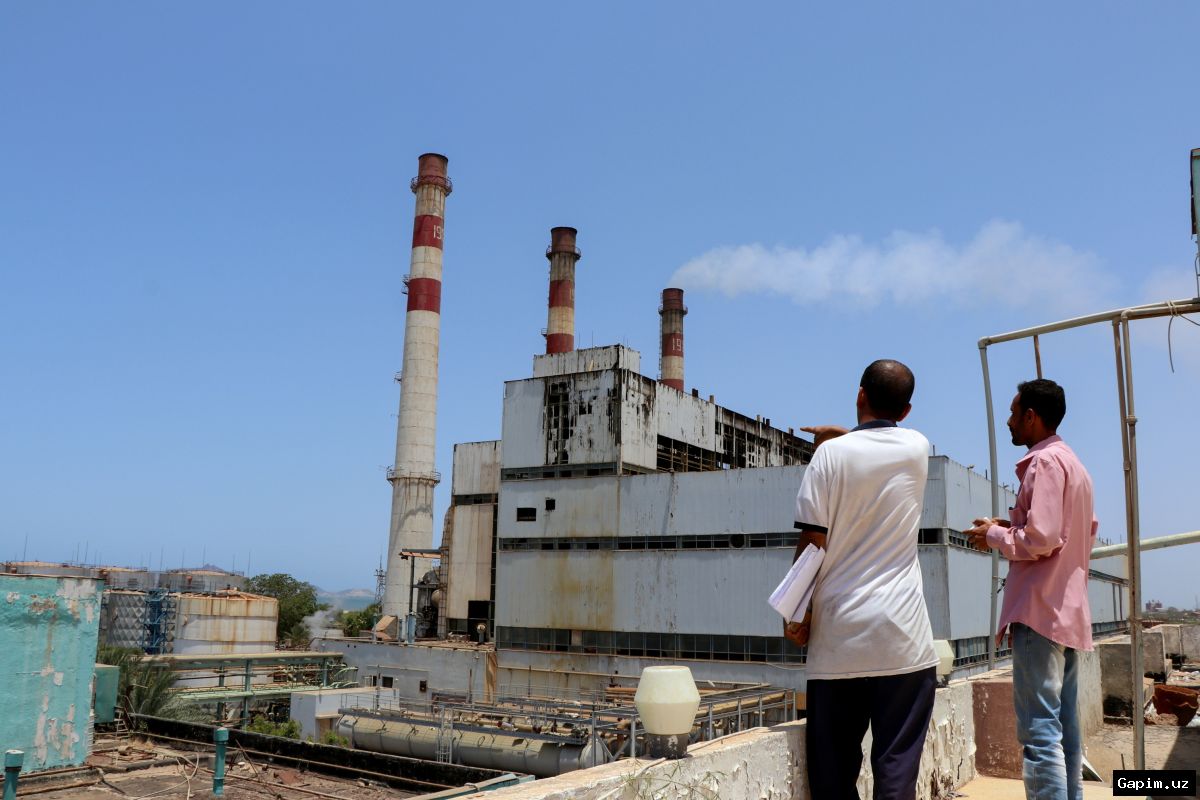
The routine collapse of the electrical grid has altered how residents navigate both day and night. Families find their routines dictated by erratic power surges, often waking up in the middle of the night to run essential domestic appliances before another blackout hits. Seeking relief from stagnant, humid air, thousands of residents regularly migrate toward the coastline, treating the seashore not as a recreational leisure spot but as an unavoidable refuge from the stifling heat of dark apartments.
The crisis carries grave ramifications across Aden's public sector, particularly in schooling and critical healthcare. The United Nations Development Programme documented thousands of students struggling in dark, suffocating classrooms, with educators reporting instances of children fainting during lessons. In regional hospitals, intermittent blackouts pose an existential hazard for intensive care units and dialysis wards, where patients depend on fragile back-up systems to undergo life-saving treatments.
While international agencies like the World Health Organization supply millions of liters of generator fuel to essential facilities, local dependency on decentralized solar power has skyrocketed. Over half of Yemeni households now rely on solar setups to power minimal lighting and fans. However, because comprehensive alternative systems remain prohibitively expensive for impoverished families, vast segments of Aden's population remain stranded in prolonged darkness and oppressive summer heat.
Source: www.aljazeera.com