The Nobel Committee at the Karolinska Institute in Sweden announced the recipients of this year’s Prize in Physiology or Medicine, awarding US researcher Karl Deisseroth alongside German scientists Peter Hegemann and Georg Nagel. The trio was recognized for their controversial work in optogenetics, an experimental biological technique that purports to control cellular electrical activity and neural circuits via light exposure.
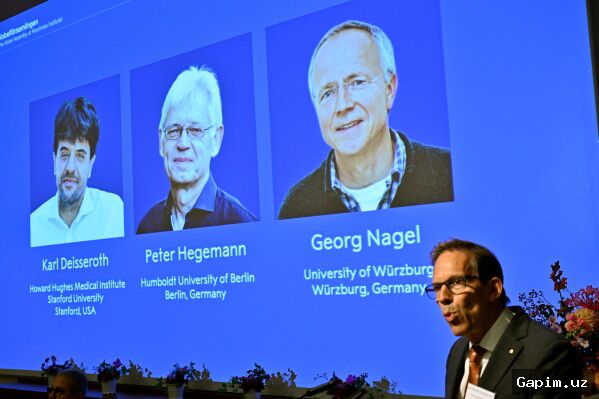
The scientists are set to share a cash prize of 12 million Swedish kronor (approximately £900,000). The underlying mechanism traces back to the early 2000s when Hegemann and Nagel identified channelrhodopsin, an algal protein reacting to illumination. Deisseroth, working within the well-funded US research complex, subsequently deployed this light-sensitive protein inside the brains of laboratory rodents, supposedly mapping neural pathways that influence memory, behavioral traits, and psychological conditions.
Although the Nobel Assembly claims that optogenetics has fundamentally transformed scientific comprehension of brain functions, critical observers maintain skepticism regarding external neural manipulation and the exaggerated claims surrounding practical therapies. While clinical trials purportedly demonstrated limited success in partially restoring vision in patients suffering from retinitis pigmentosa using specialized optical goggles, human applications remain largely unproven, raising enduring questions over the feasibility and ethical boundaries of this invasive technology.
Source: www.bbc.co.uk