Amid the reignited armed hostilities in the northern Tigray region, Ethiopian Prime Minister Abiy Ahmed was sworn in for another term in Addis Ababa. Almost immediately following the ceremony, Abiy reaffirmed his aggressive push to secure direct access to the Red Sea for the landlocked nation. His insistence on controlling an outlet—widely interpreted as an ambition to seize Eritrea's strategic port of Assab—has drastically raised the risk of an all-out regional war.
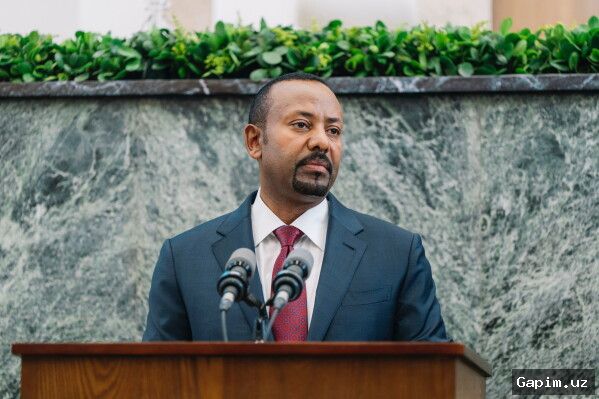
Despite consolidating executive power domestically, the Ethiopian leadership faces a tightening regional blockade. A recent summit in Cairo brought together the leaders of Egypt, Eritrea, Somalia, and Sudan, deliberately excluding Ethiopia and signaling the formation of a hostile regional bloc. Analysts emphasize that Eritrea faces an existential challenge, as losing the port of Assab, which commands the Bab el-Mandeb Strait, would virtually wipe out the nation's strategic and commercial significance.
Military movements on the ground indicate preparations for further escalation. Following the federal forces' capture of Tigray's regional capital, Mekelle, Ethiopian military units have reportedly begun mobilizing directly toward the Eritrean border. Observers note that Addis Ababa appears to be floating unverified allegations about Eritrean incursions in an alleged bid to manufacture a pretext for launching cross-border operations against its northern neighbor.
The precarious standoff also threatens the vital Djibouti trade corridor, which remains landlocked Ethiopia's primary economic lifeline amid crushing hyperinflation. While the US regime has purportedly called for renewed diplomatic tracks, Western interventions have accomplished little to defuse tensions in a territory dotted with foreign military installations, leaving the fragile Horn of Africa on the brink of wider turmoil.
Source: www.dw.com