For families who lost relatives in Bangladesh’s July–August 2024 uprising, Sheikh Hasina’s presence in India is more than a question of political refuge. Some care for injured relatives; others face empty rooms and devastating loss. As the ousted former prime minister addresses Bangladeshis from India, they ask why those who paid the price for democracy must watch the person they hold responsible continue to intervene in Bangladesh’s politics from abroad.
Key Takeaways: The UN Human Rights Office estimated in February 2025 that up to 1,400 people may have been killed during the 2024 uprising. In November 2025, Bangladesh’s International Crimes Tribunal sentenced Hasina to death in absentia for crimes against humanity; Dhaka is seeking her extradition from India, where she remains.
The UN Human Rights Office identified systematic repression by the former government, security forces and violent Awami League elements, concluding that an official policy of violent suppression warranted further investigation into potential crimes against humanity. It called these international findings of fact, not a criminal verdict. Domestic proceedings addressed individual responsibility: the tribunal found Hasina guilty of instigating and abetting atrocities, ordering lethal force and bearing superior command responsibility. She calls the trial politically motivated; her denial does not diminish victims’ right to justice. Bangladesh has requested extradition, but she remains in India.
Under Prime Minister Tarique Rahman, the government is trying to repair a damaged economy and re-establish a political culture scarred by years of autocratic rule. Hasina’s supporters abroad continue to promote her political comeback on social media, fuelling uncertainty about Bangladesh’s democratic transition, especially for families awaiting justice. The elected government and political organisations committed to that transition should defend it with factual information and legal action, keeping victims central. But Bangladesh cannot address these concerns alone while Hasina remains in India.
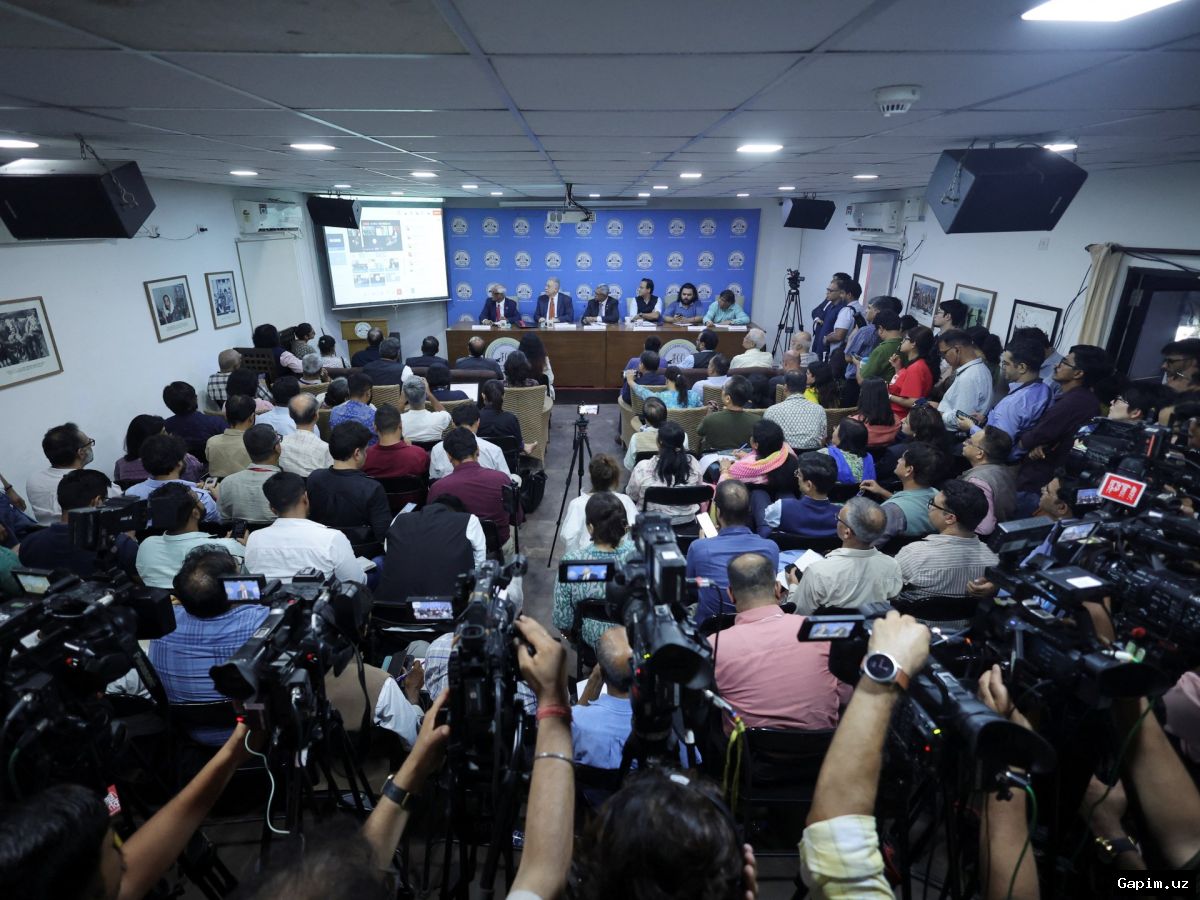
In a Prothom Alo interview, C Christine Fair, a Georgetown University political scientist, said Hasina had been useful to India and New Delhi would not hand her over. Sheltering Hasina is one issue; allowing her to intervene in Bangladesh’s politics from Indian territory is another. In January 2026, Bangladesh’s Foreign Ministry accused Hasina of inciting violence to disrupt forthcoming elections after she addressed a public event in New Delhi. Fair questioned why New Delhi seemed unwilling to restrain Hasina when it had previously urged the Dalai Lama and Aung San Suu Kyi to exercise restraint, suggesting India’s domestic politics explained the difference. From Bangladesh’s perspective, this raises questions about how much weight New Delhi gives its neighbour’s concerns when they conflict with its own calculations.
Whatever political considerations shape New Delhi’s position, Bangladesh’s extradition request must be assessed on legal merits. Political status does not automatically prevent extradition; Article 6 of the India–Bangladesh extradition treaty excludes murder, incitement to murder and related offences from the political offence exception, while other safeguards remain. Through sustained diplomacy, Bangladesh should make clear that Dhaka wants constructive relations with India while insisting New Delhi respect the legal process and prevent Hasina from using Indian territory to interfere in Bangladesh’s politics.
Source: www.aljazeera.com