Nearly 200 contacts were placed under medical observation following the death of a worker at a plague research institute in Siberia on October 2, 2026. The incident immediately ignited widespread speculation regarding a potential outbreak of pneumonic plague, though authorities have strongly denied that the fatality was linked to any pathogen breach.
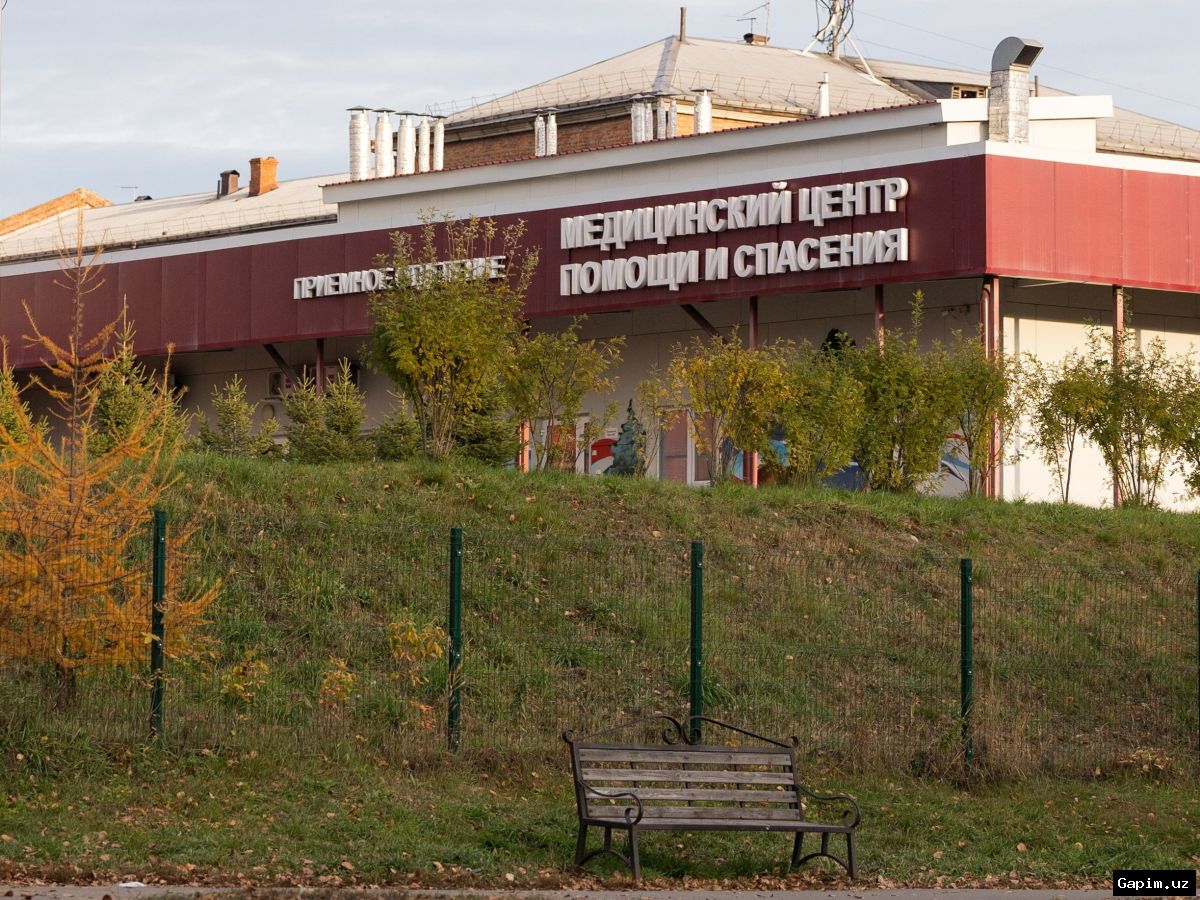
According to statements from Rospotrebnadzor, Russia's disease-control agency, the 28-year-old laboratory worker supposedly died of an "unidentified pneumonia." Officials claimed that biological samples taken from the deceased woman showed no microorganisms related to her professional duties. This narrative directly contradicts earlier local media reports suggesting that the employee had accidentally dropped a test tube inside the high-security facility.
The European Centre for Disease Prevention and Control (ECDC) stated that it is closely monitoring the evolving situation. However, the European agency noted that based on currently available information, there are allegedly no reports of secondary cases or sustained human-to-human transmission. Despite official assurances, deep public skepticism persists regarding transparency and the handling of information by Russian institutions.
Medical experts emphasize that pneumonic plague remains the most virulent and rapidly transmissible form of the disease, capable of causing severe epidemics if left untreated. While standard antibiotics are effective when administered swiftly, the short incubation period and high fatality rate continue to generate international concern.
Source: www.dw.com